Honours Project: Don’t Miss This Opportunity
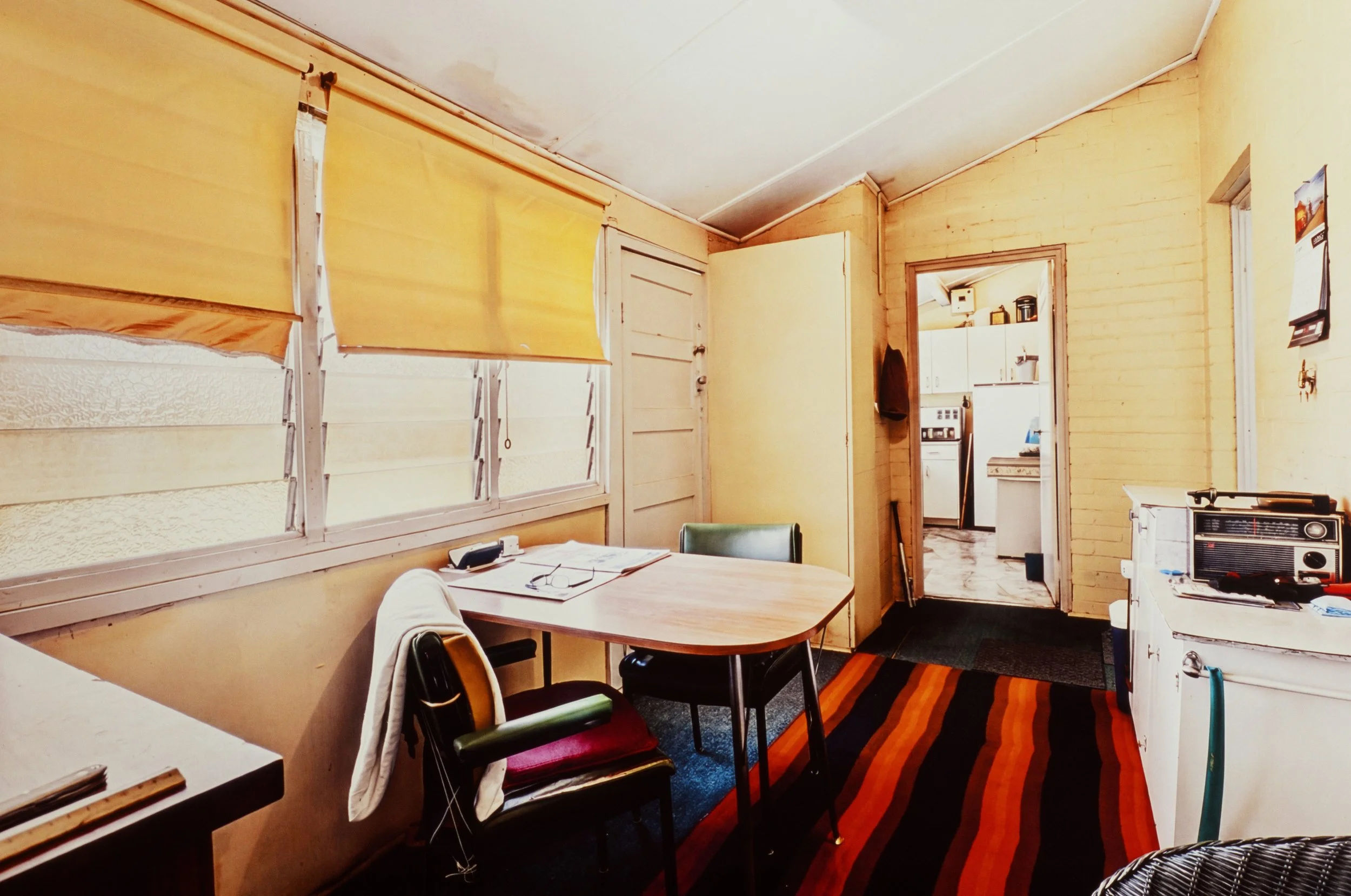
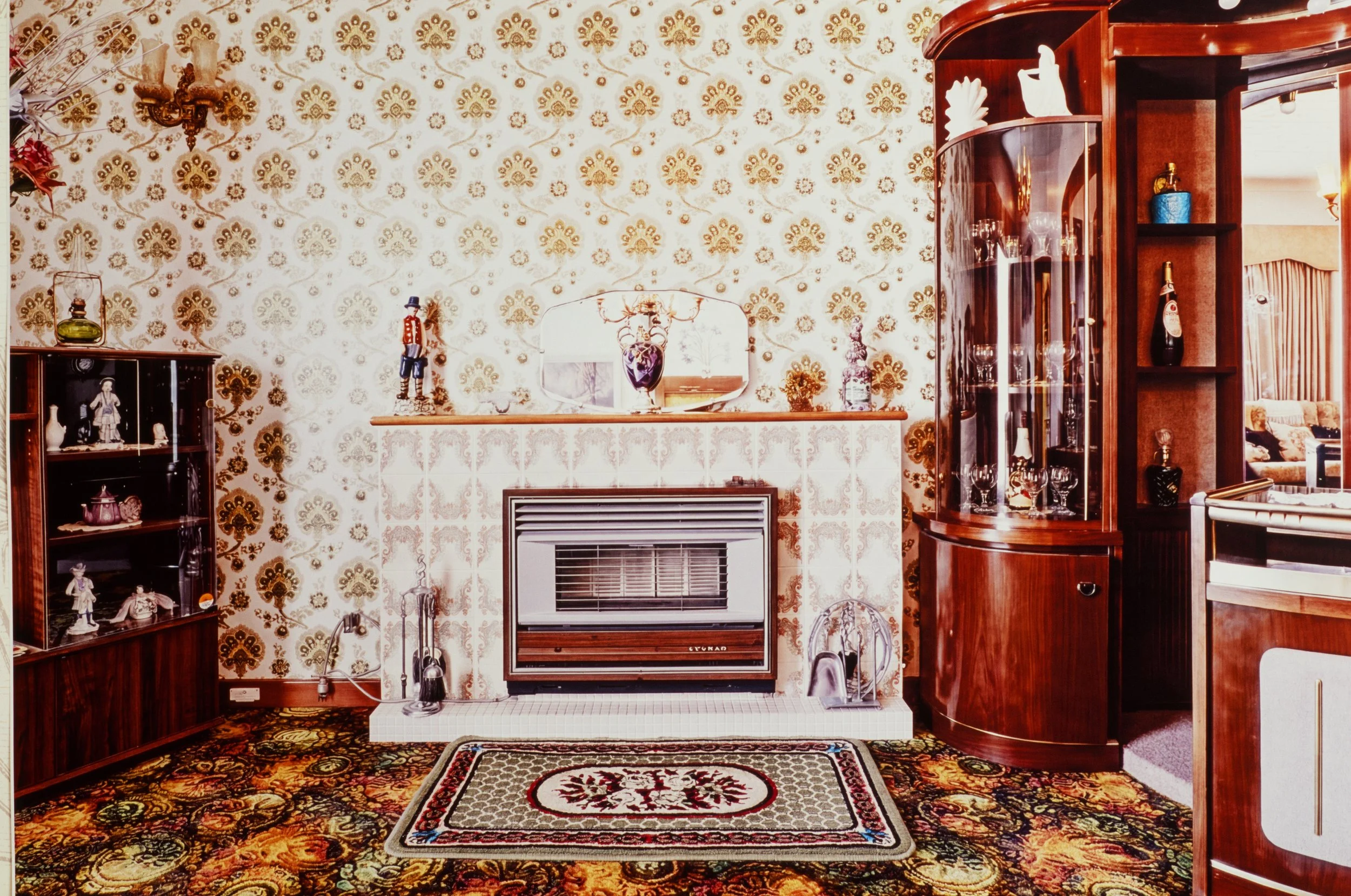
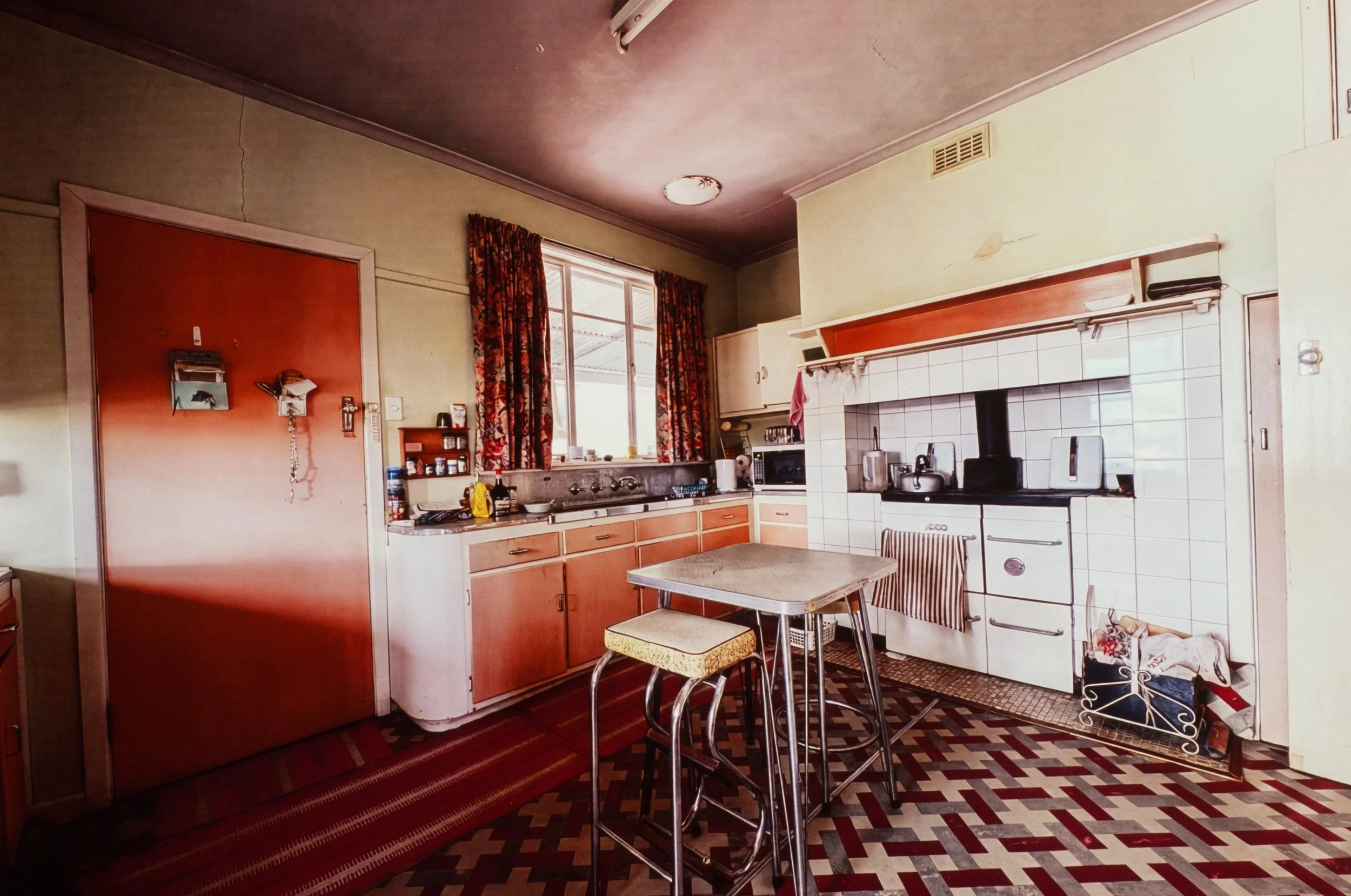
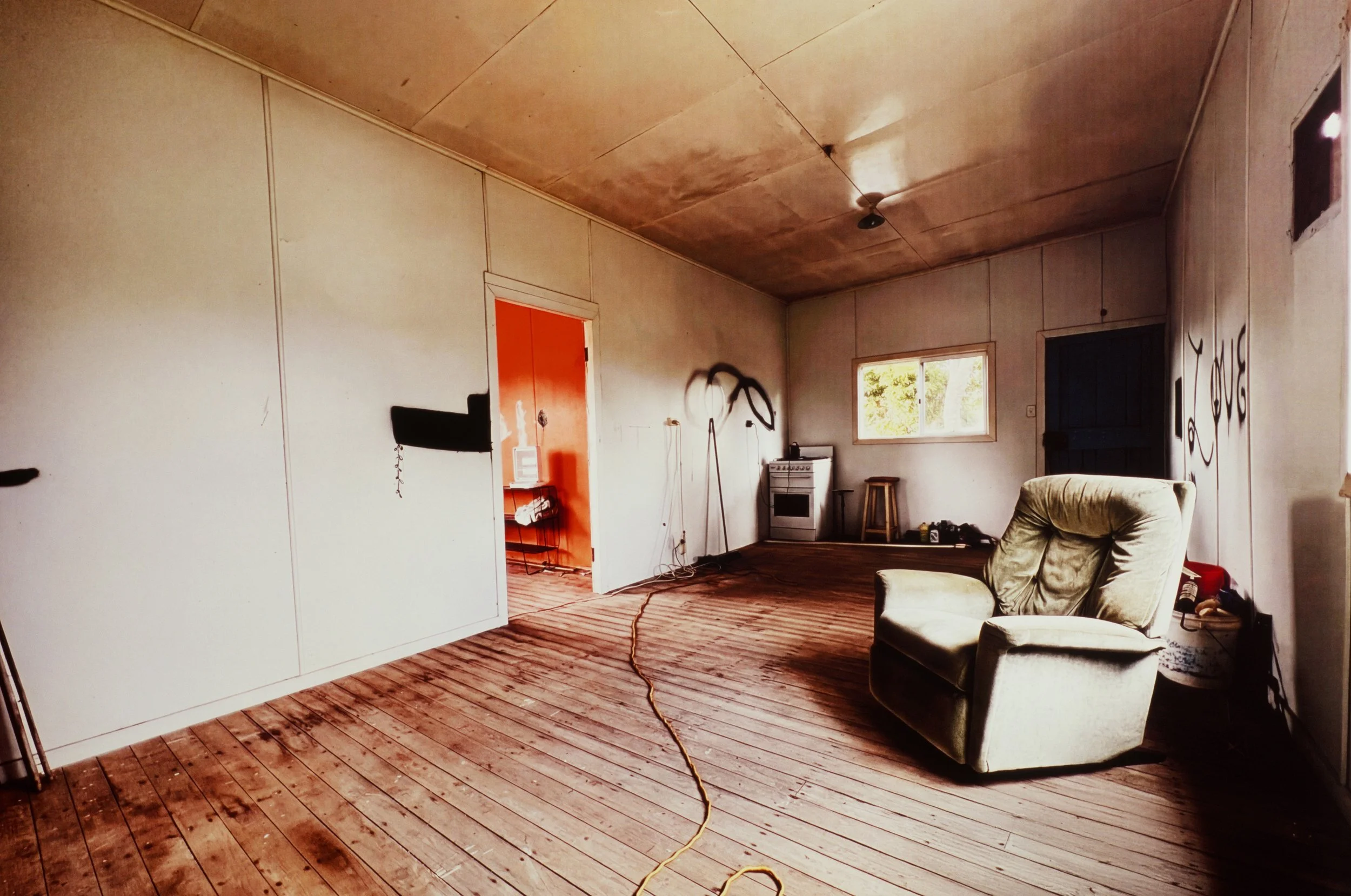
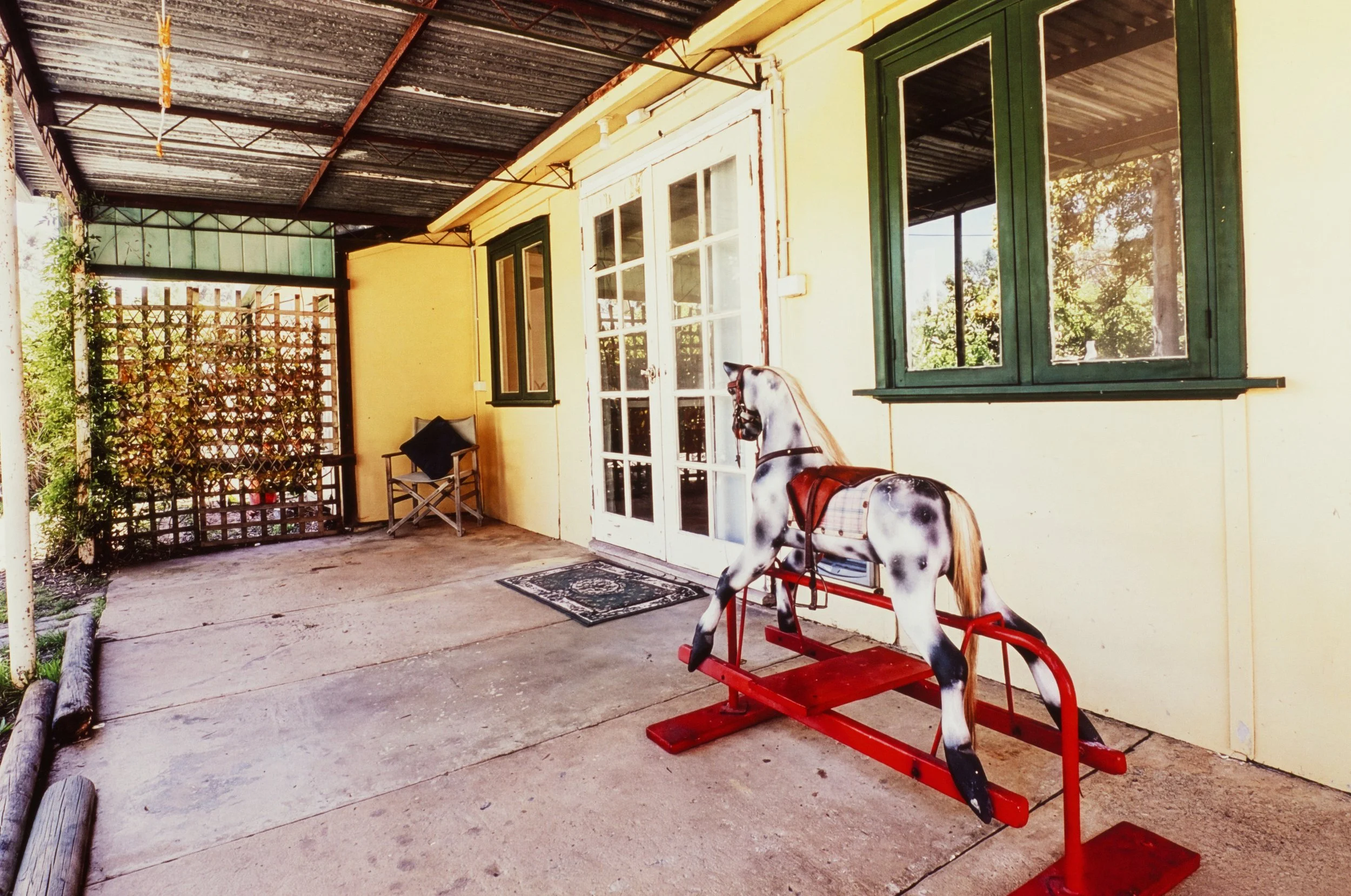
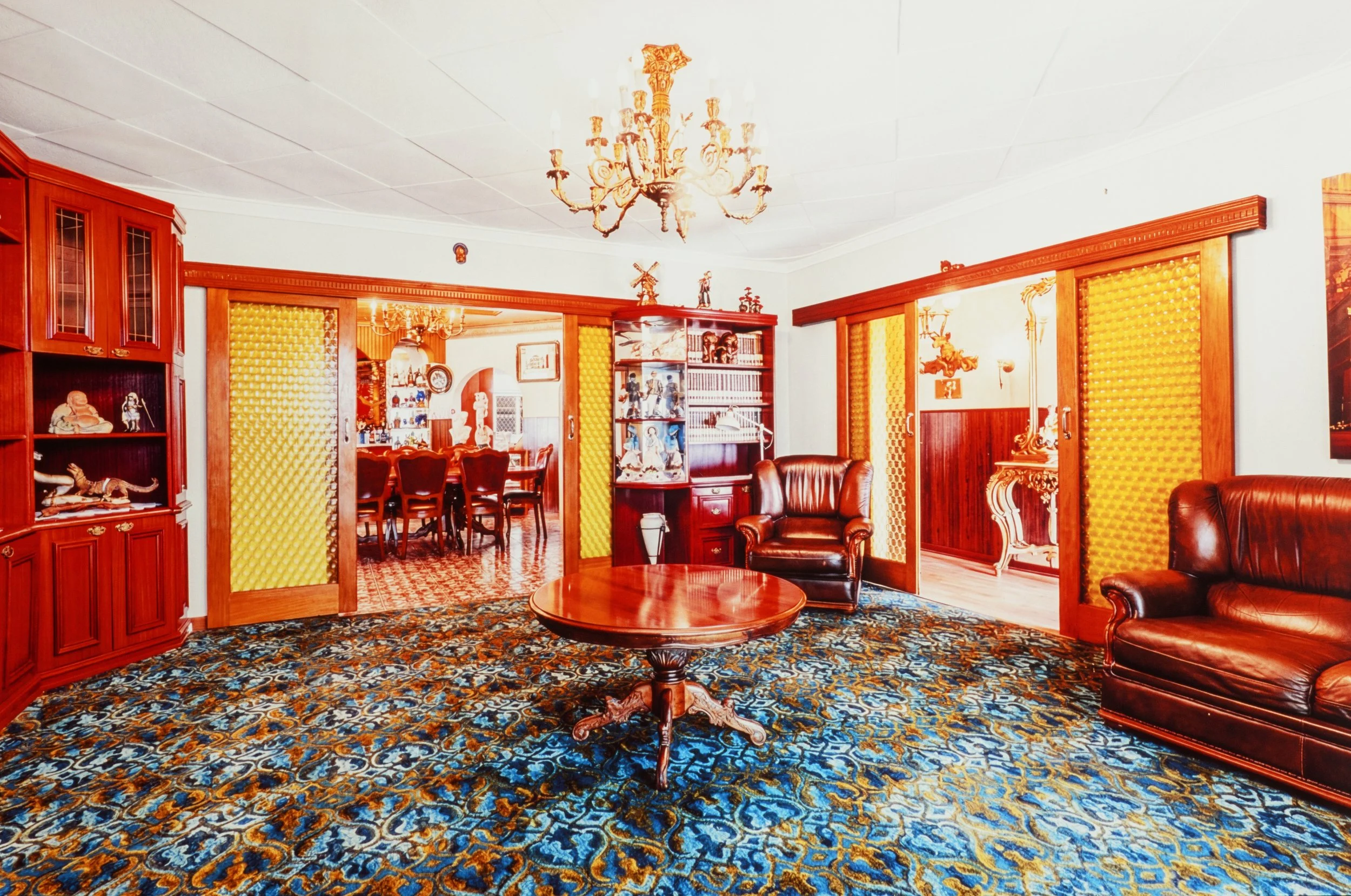
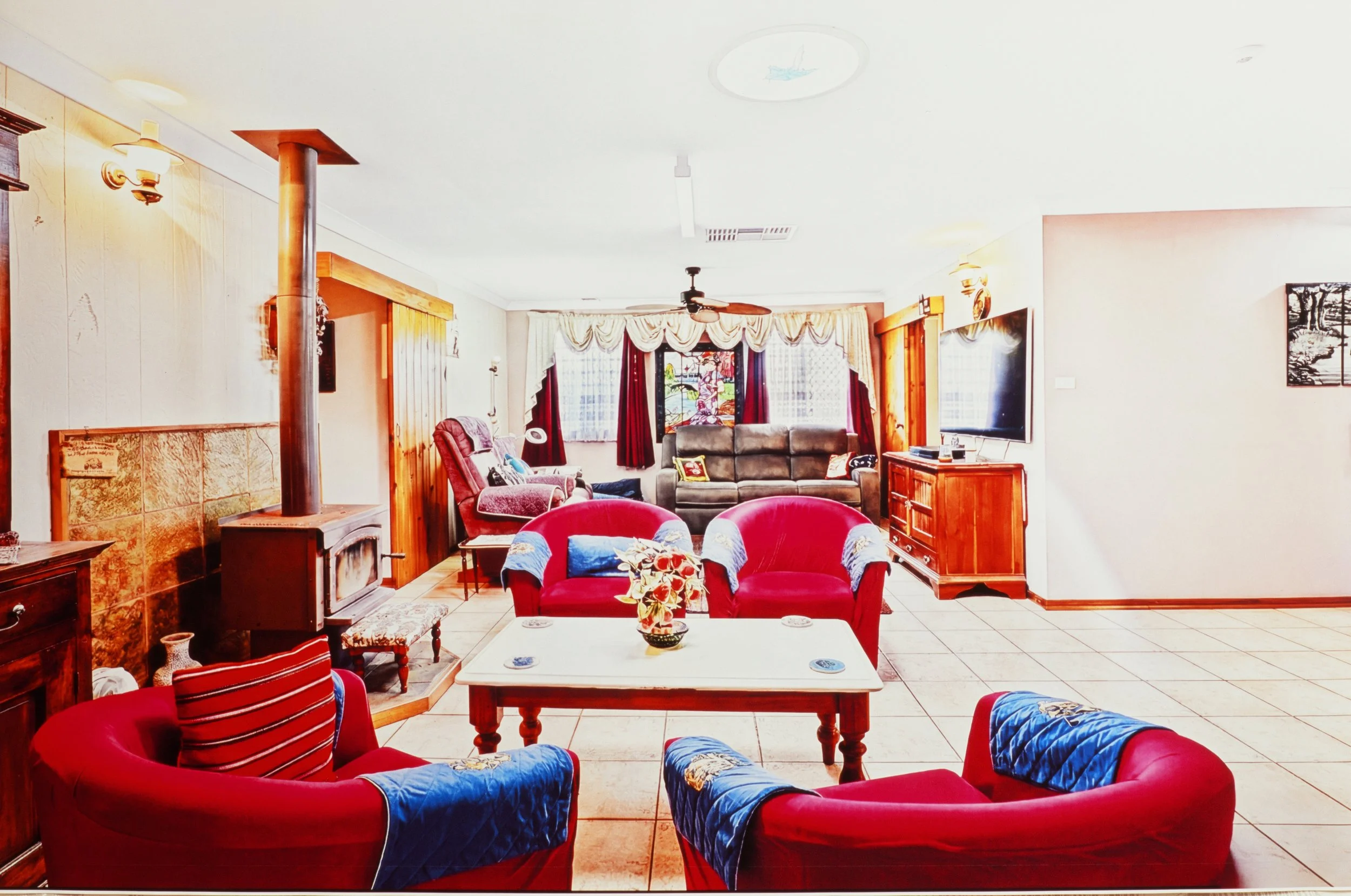
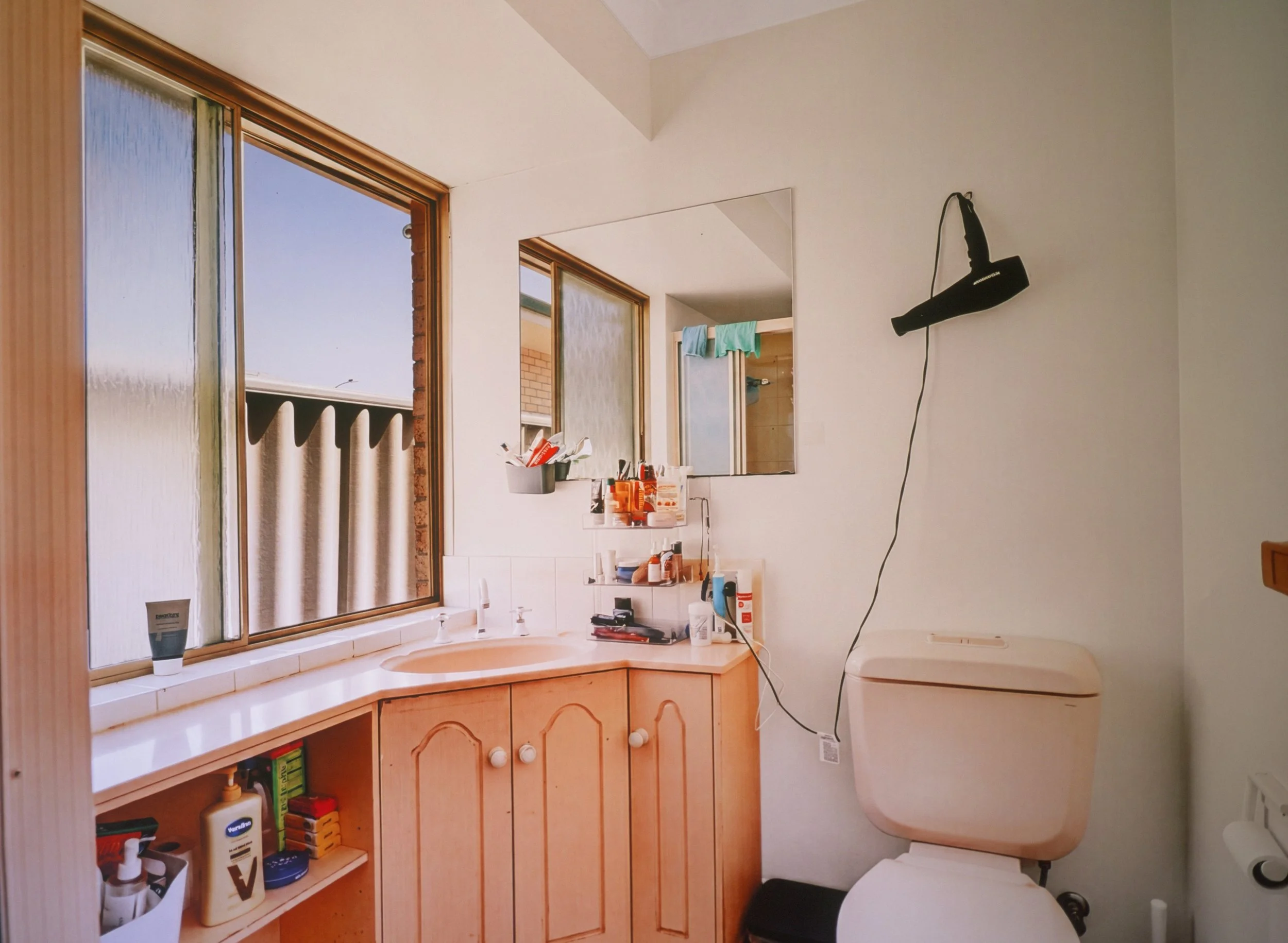
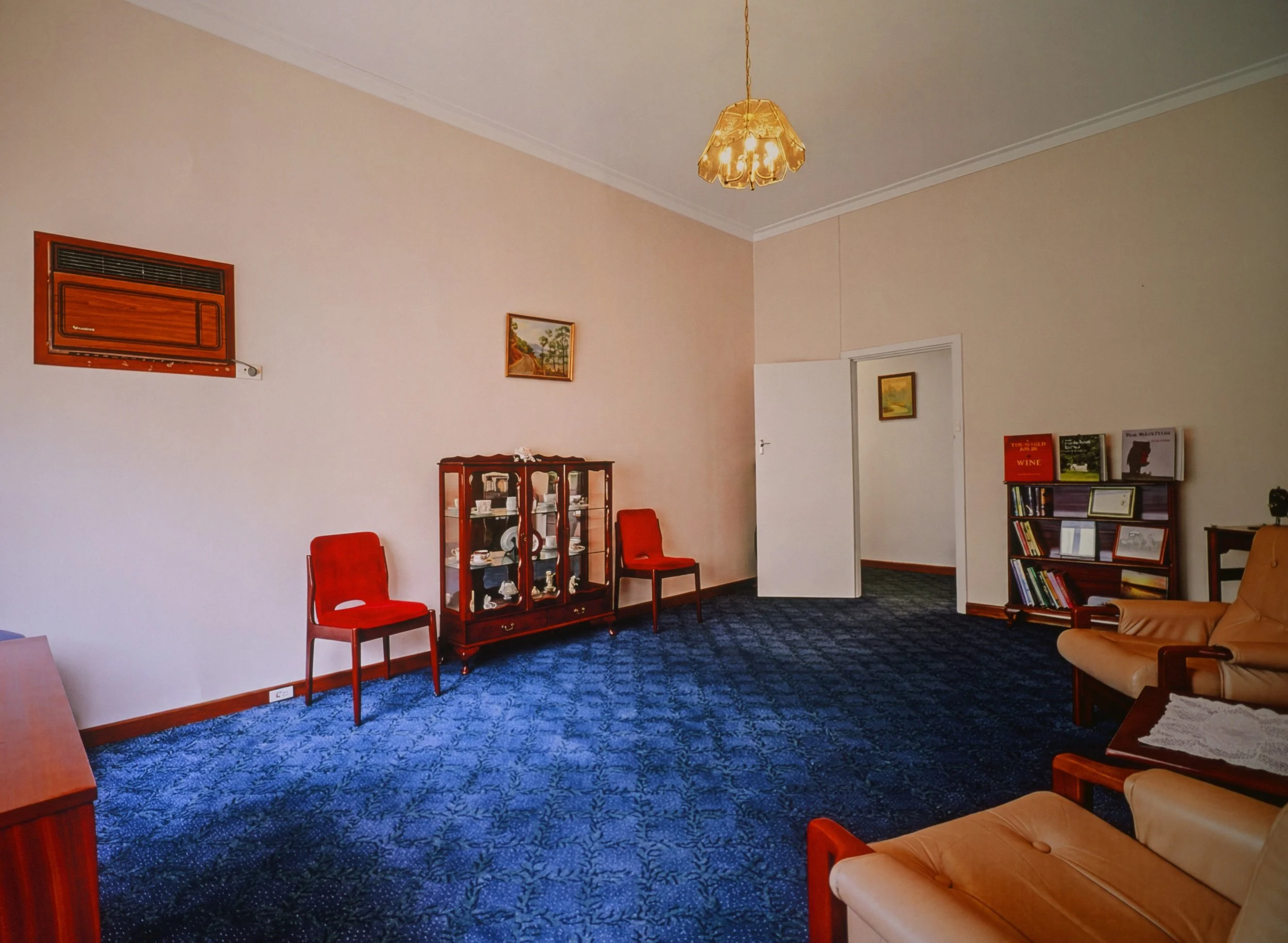
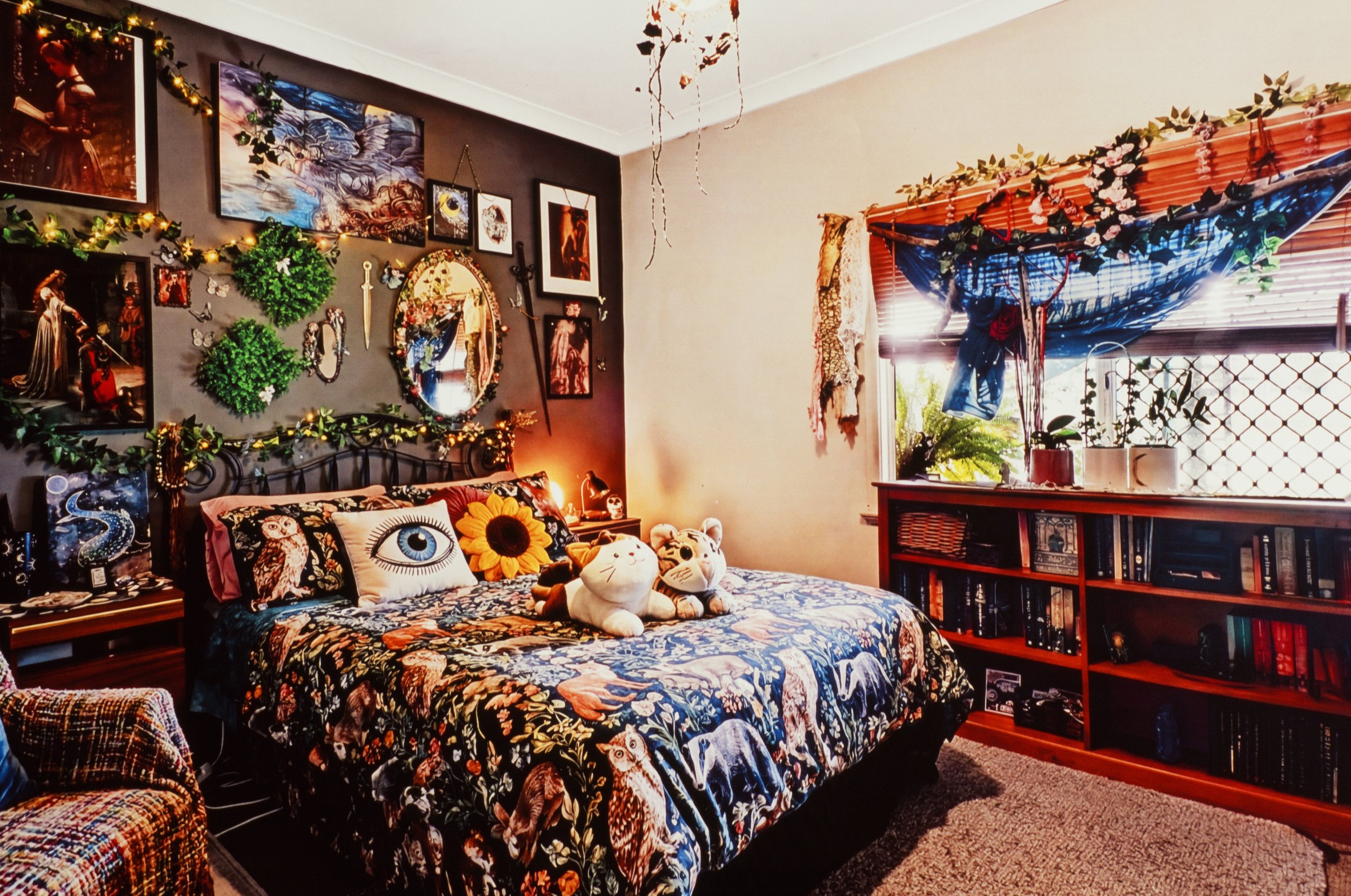
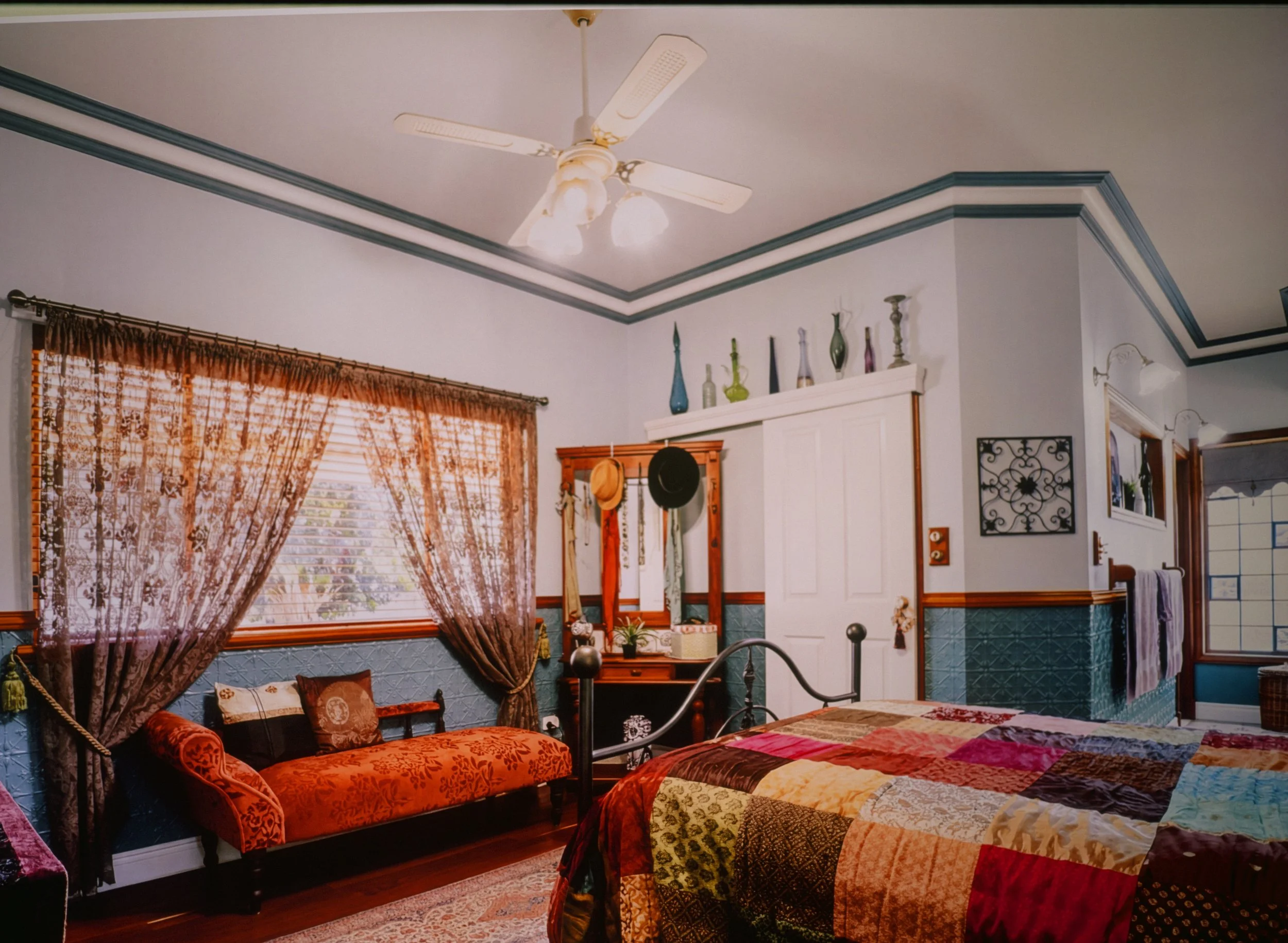
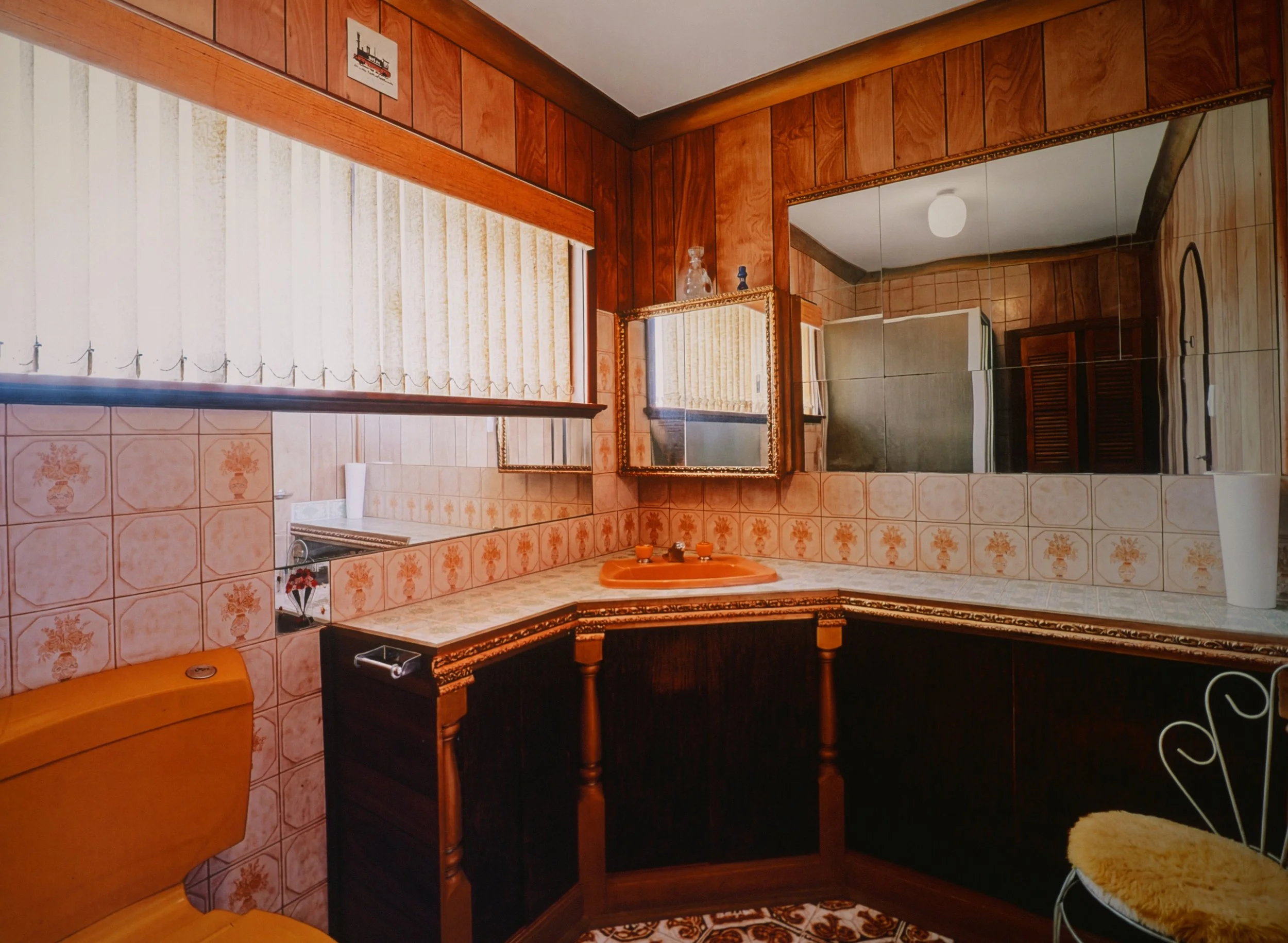
What happens to the meaning of home when it becomes property on the real-estate market? Ivana Matic Girard is drawn to unstaged interiors within real-estate listings, photographs made to sell property that inadvertently record home: its objects, imperfections, and traces of everyday life. Through rephotography, layering, and recontextualisation, she draws the tension between home as lived experience and house as commodity. The work takes on particular relevance amid Australia’s current housing crisis. The work considers house and objects as a mirror of self. It also questions our assumptions when looking into a stranger's home: might our reading of their lives reveal more about ourselves than about them?
Images from real-estate websites are rephotographed onto analogue slide film and experienced through projection, removing them from the rapid online circulation and commercial context for which they were originally produced. The slide projector slows the act of looking and evokes an earlier, collective experience of viewing photographs associated with family, memory, and everyday life. Images made to sell property are recontextualised within a visual language associated with remembering and home.
Rephotographed real-estate images on Fujifilm Velvia 50 and 100 medium-format (120) and 35mm transparency film, produced for slide projection.
The projection is accompanied by a soundtrack composed from fragments of spoken language extracted from real-estate promotional videos. Removed from the properties they originally describe, these aspirational phrases are layered with the projected images, creating a tension between the language of property marketing and the realities of lived-in homes.
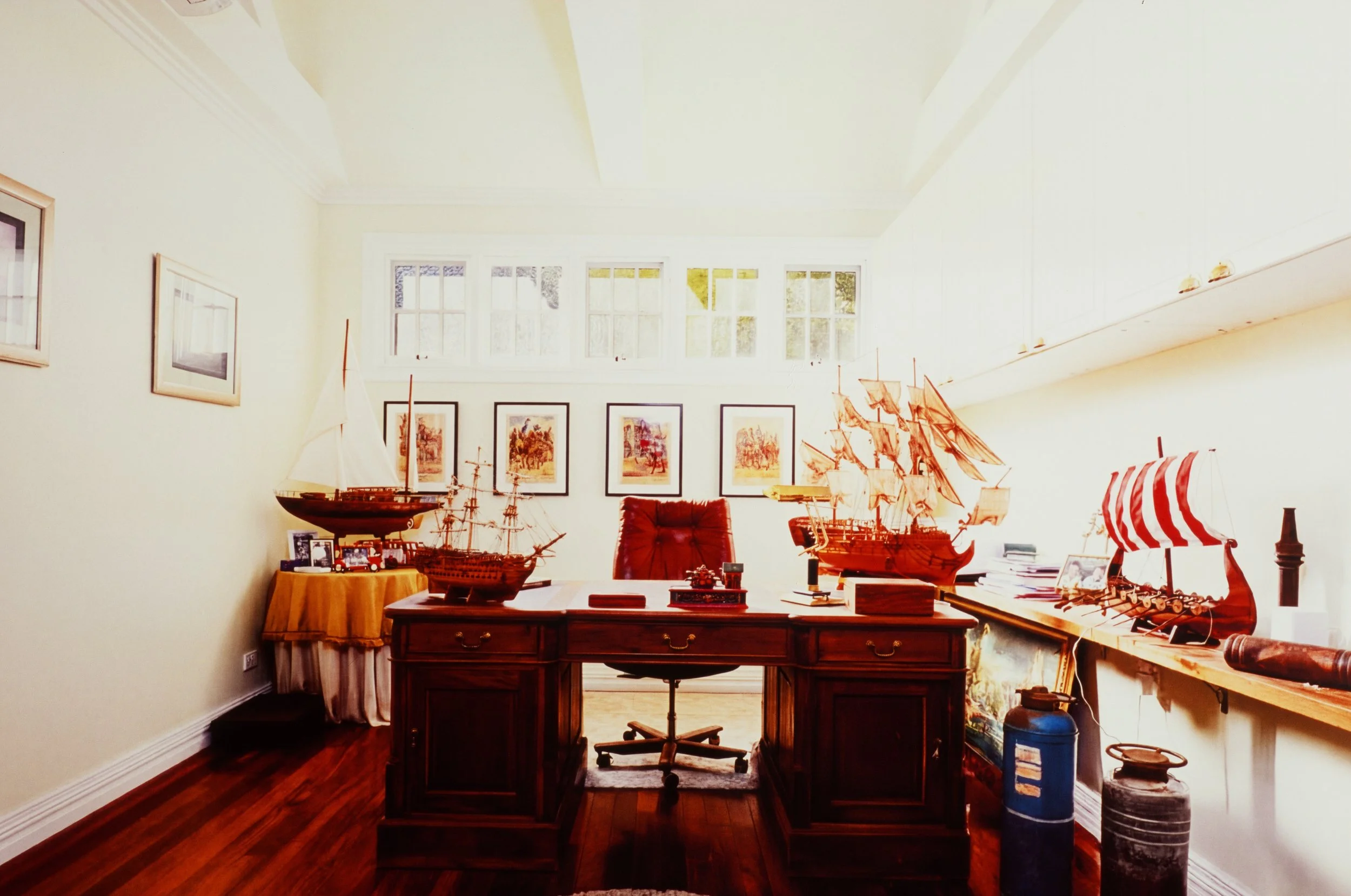
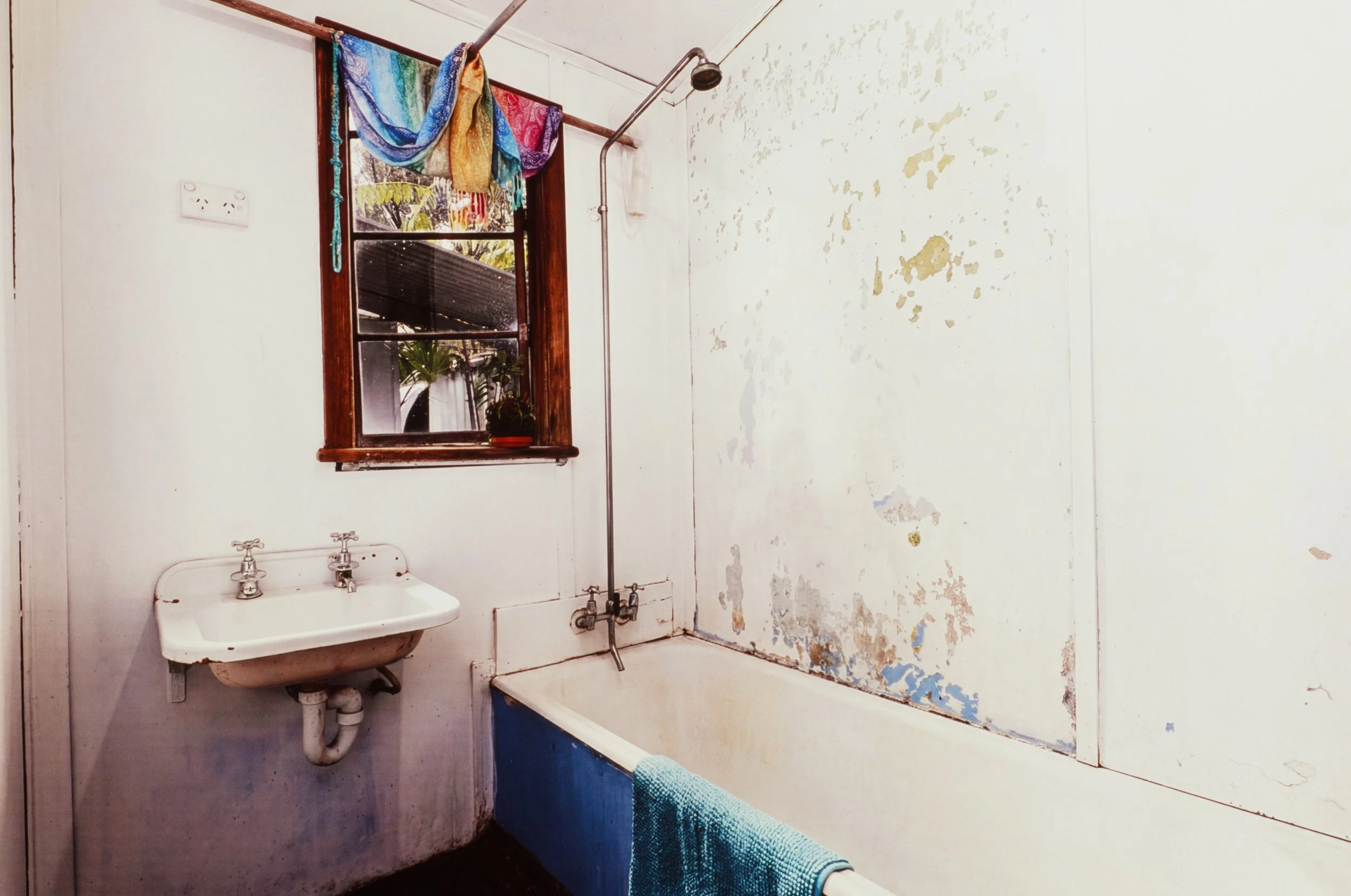
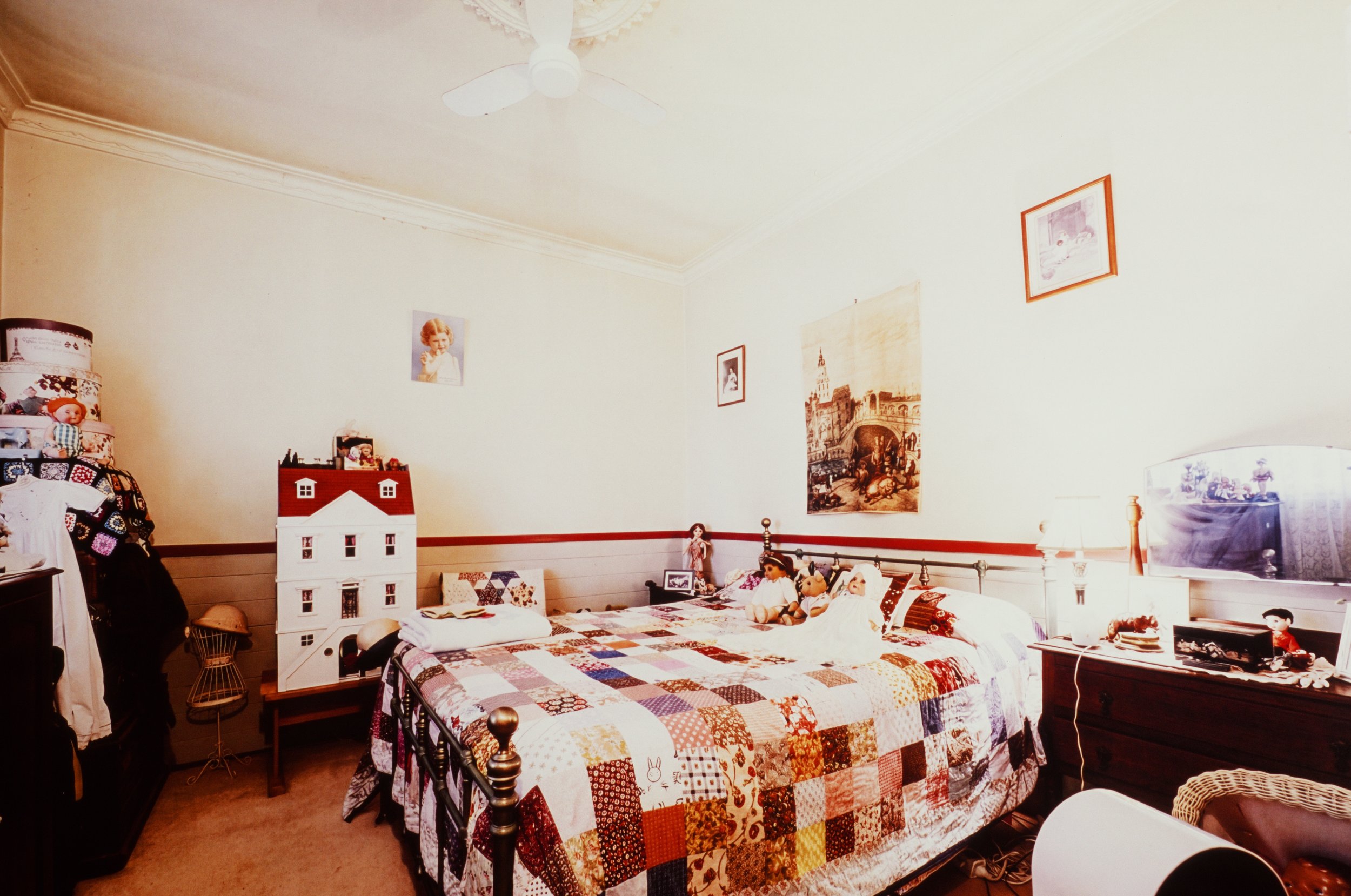
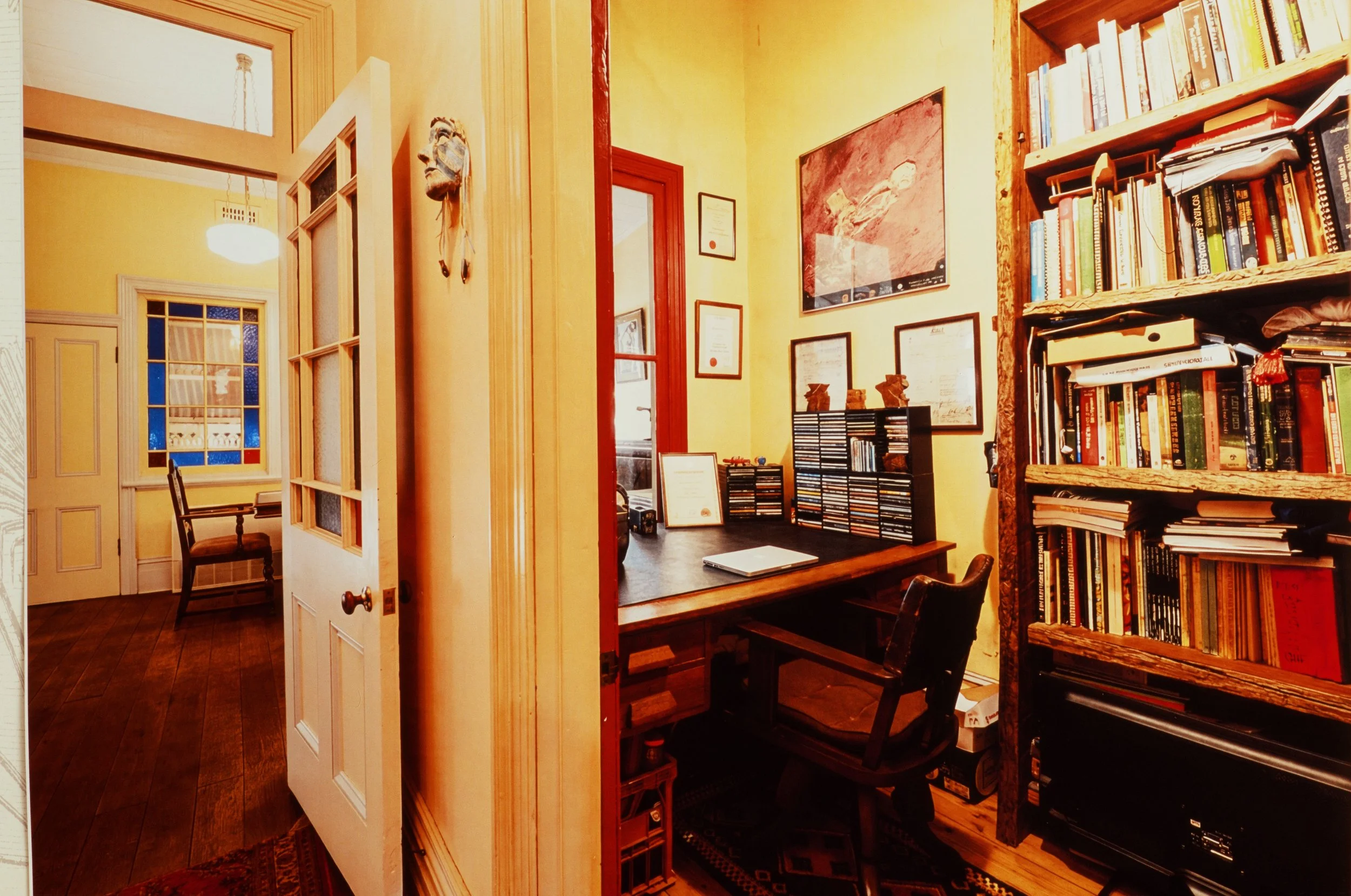
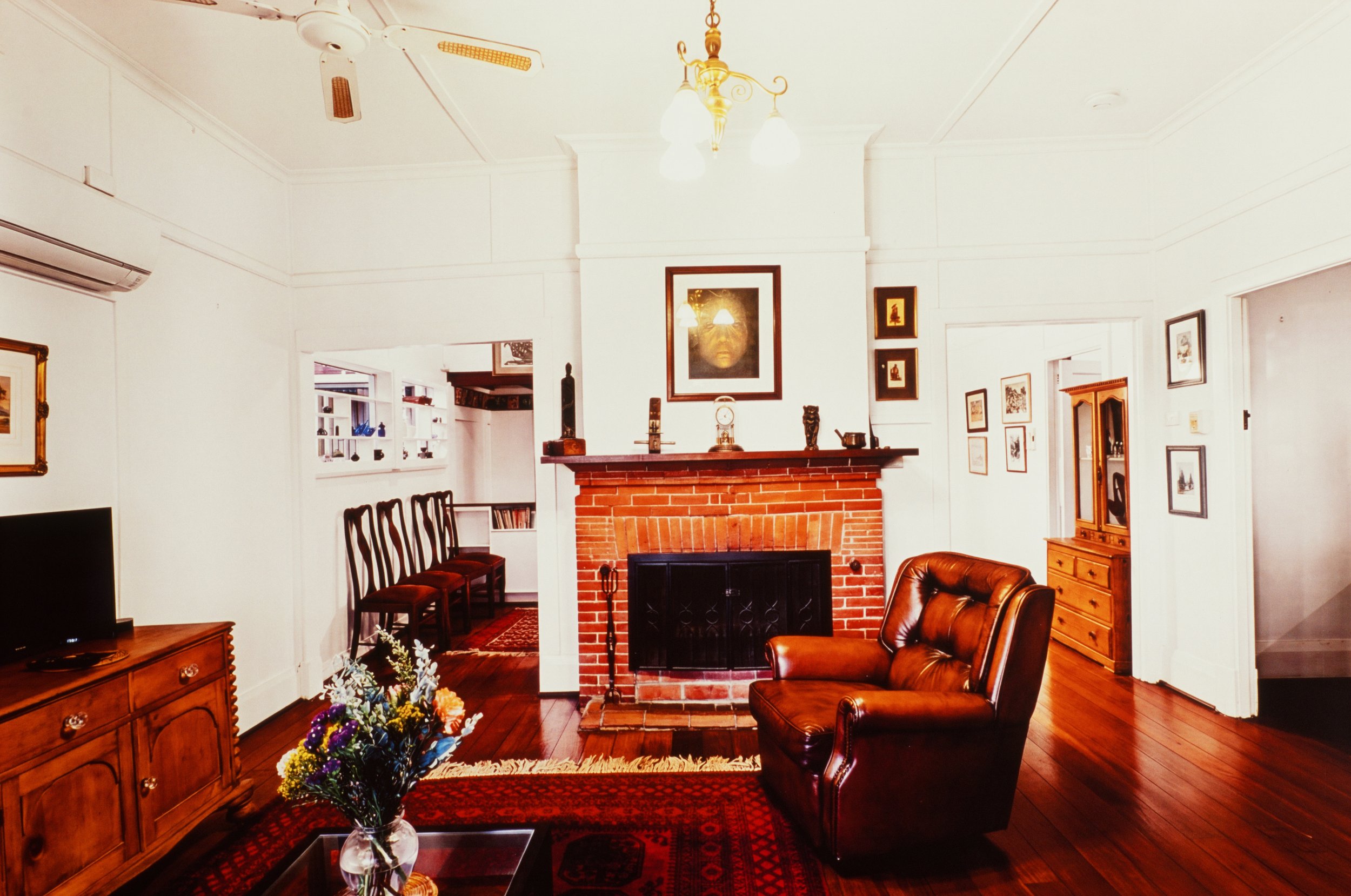
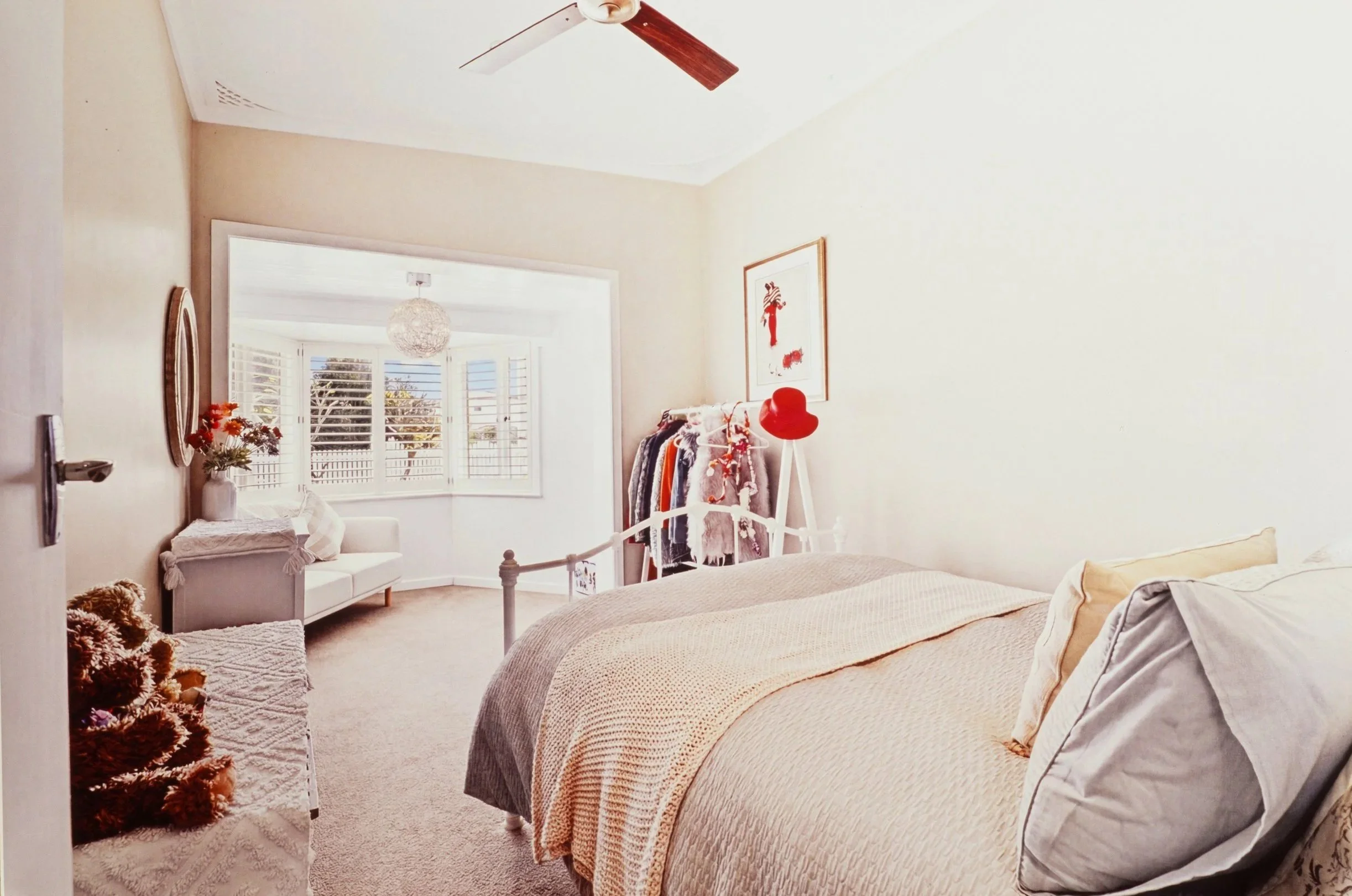
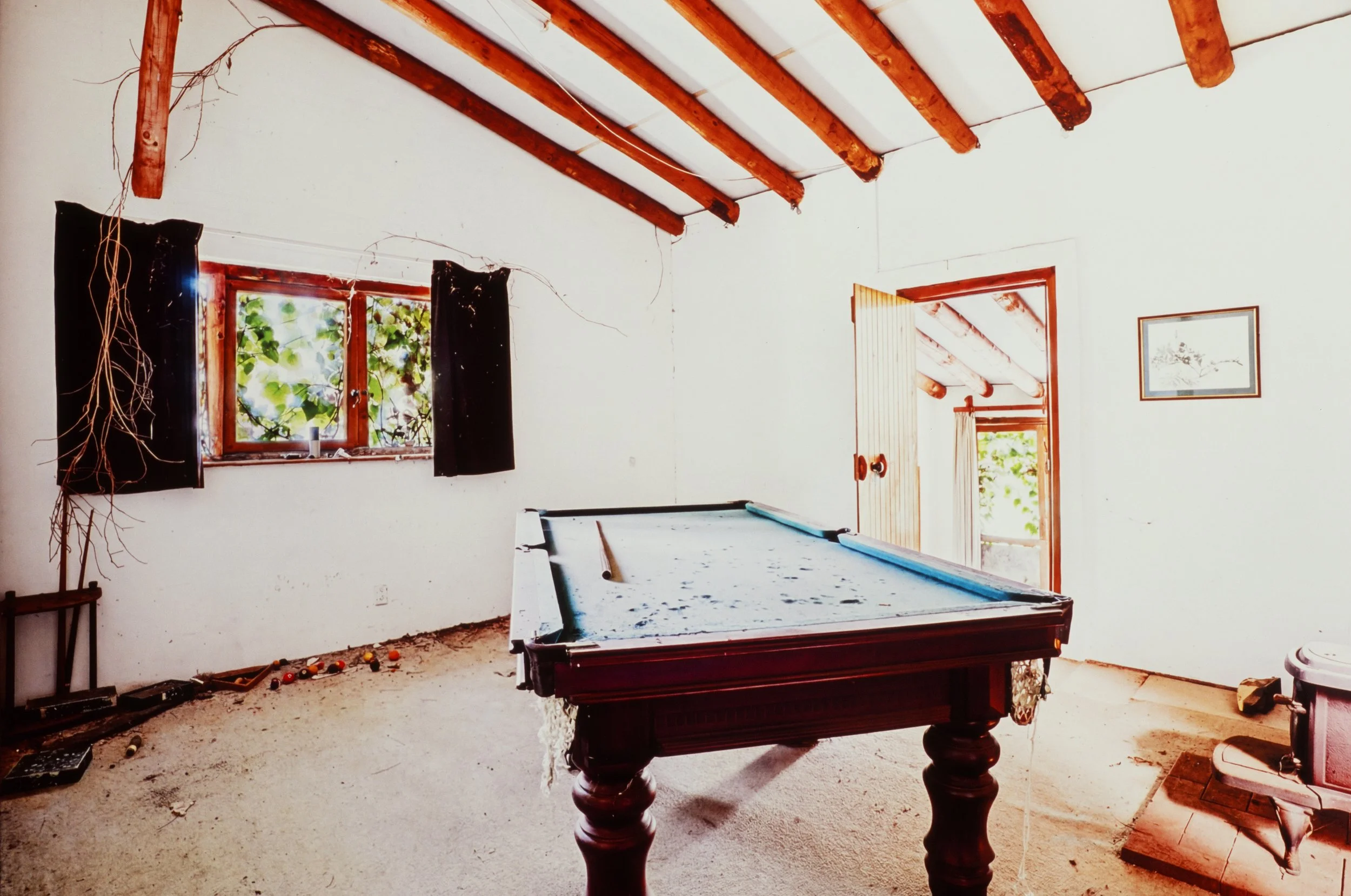
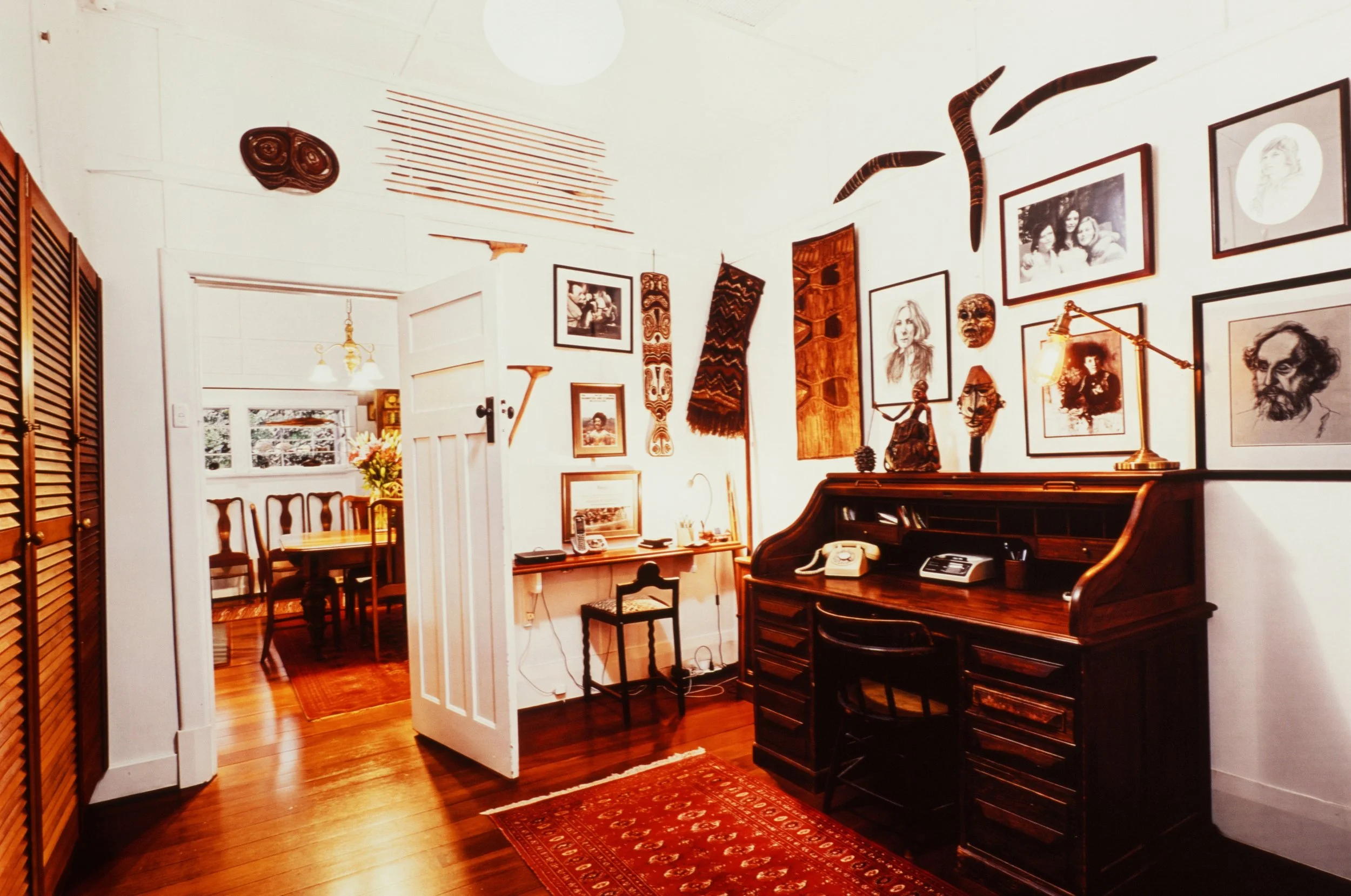
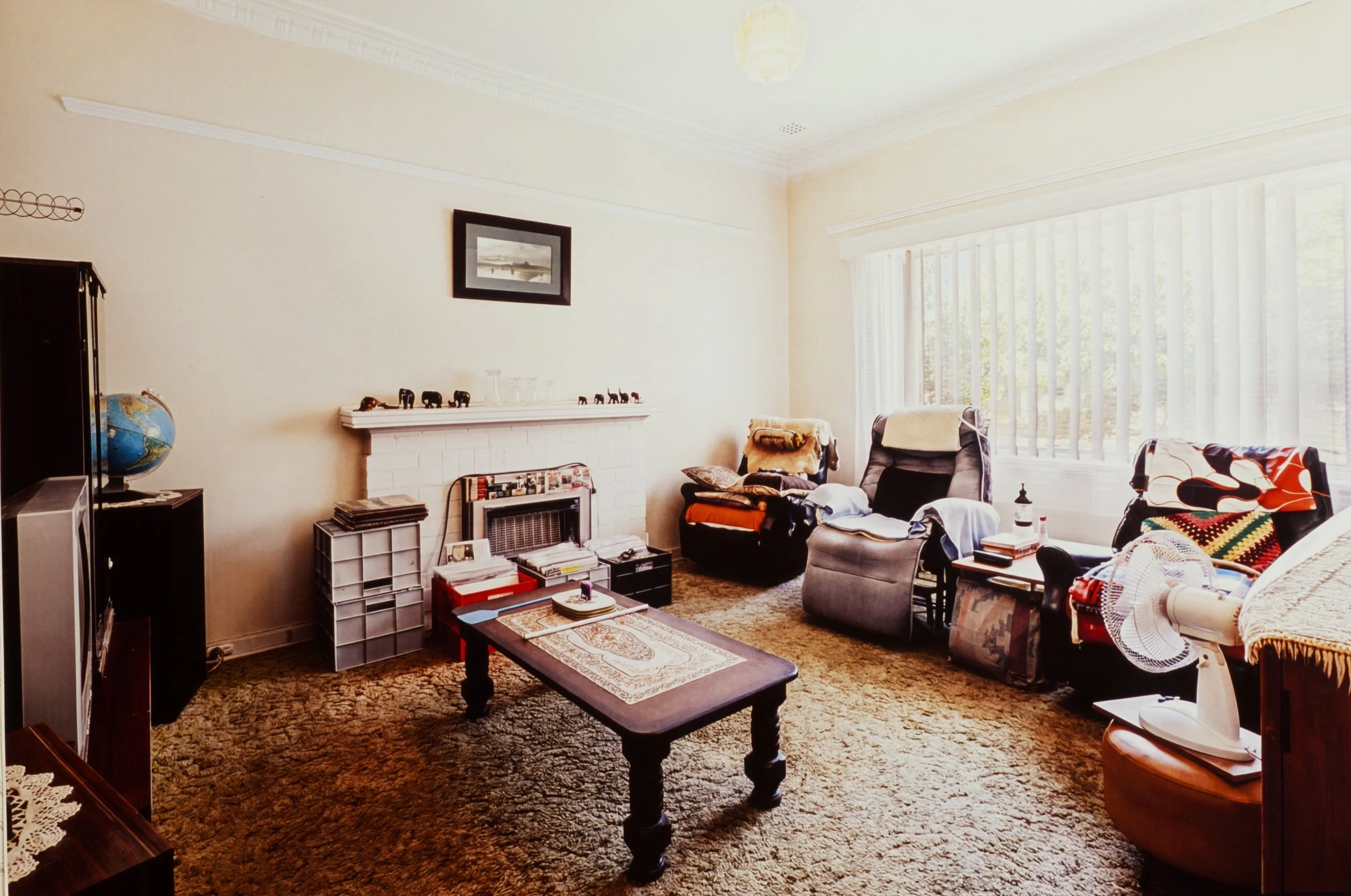
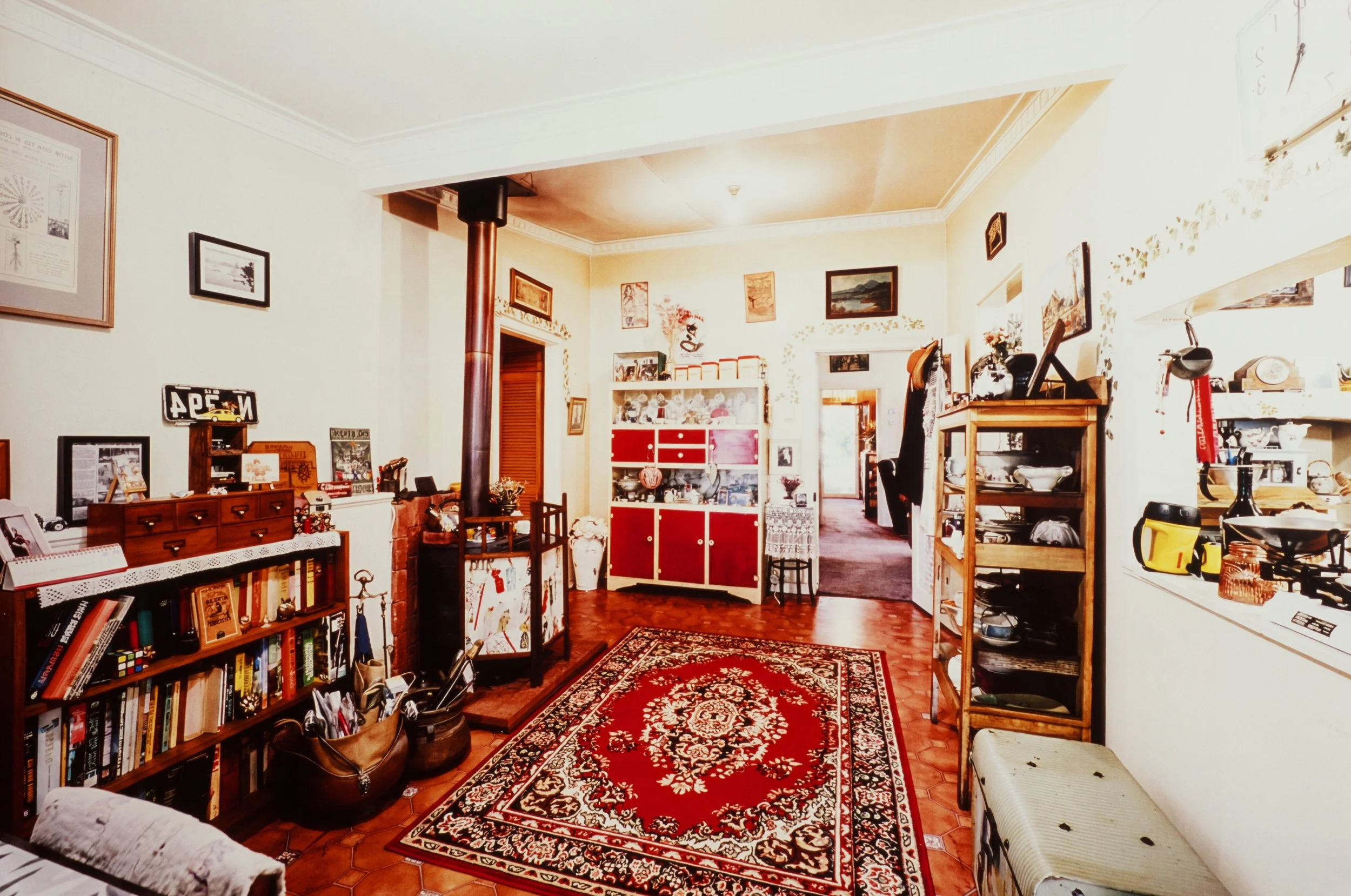
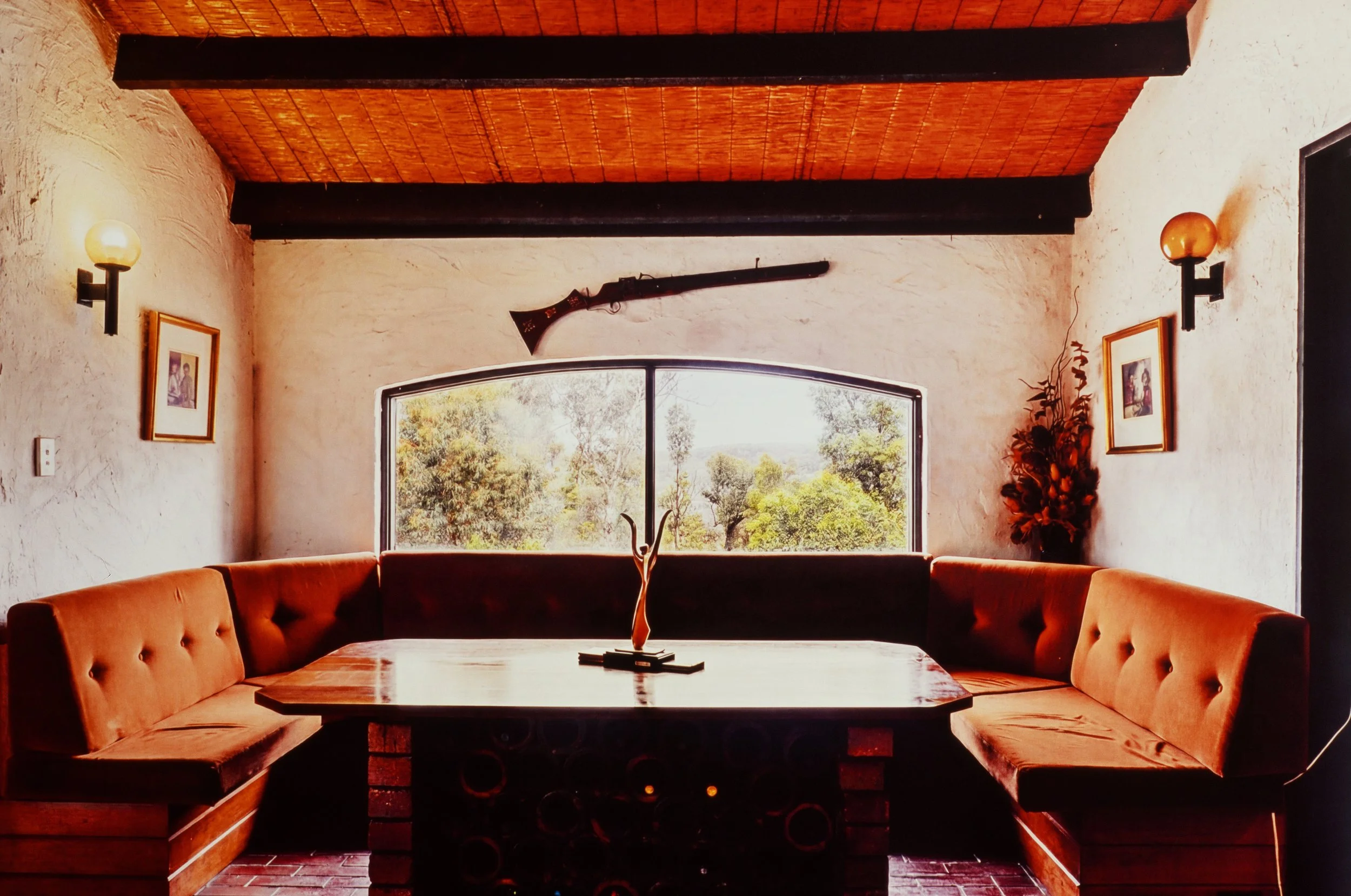
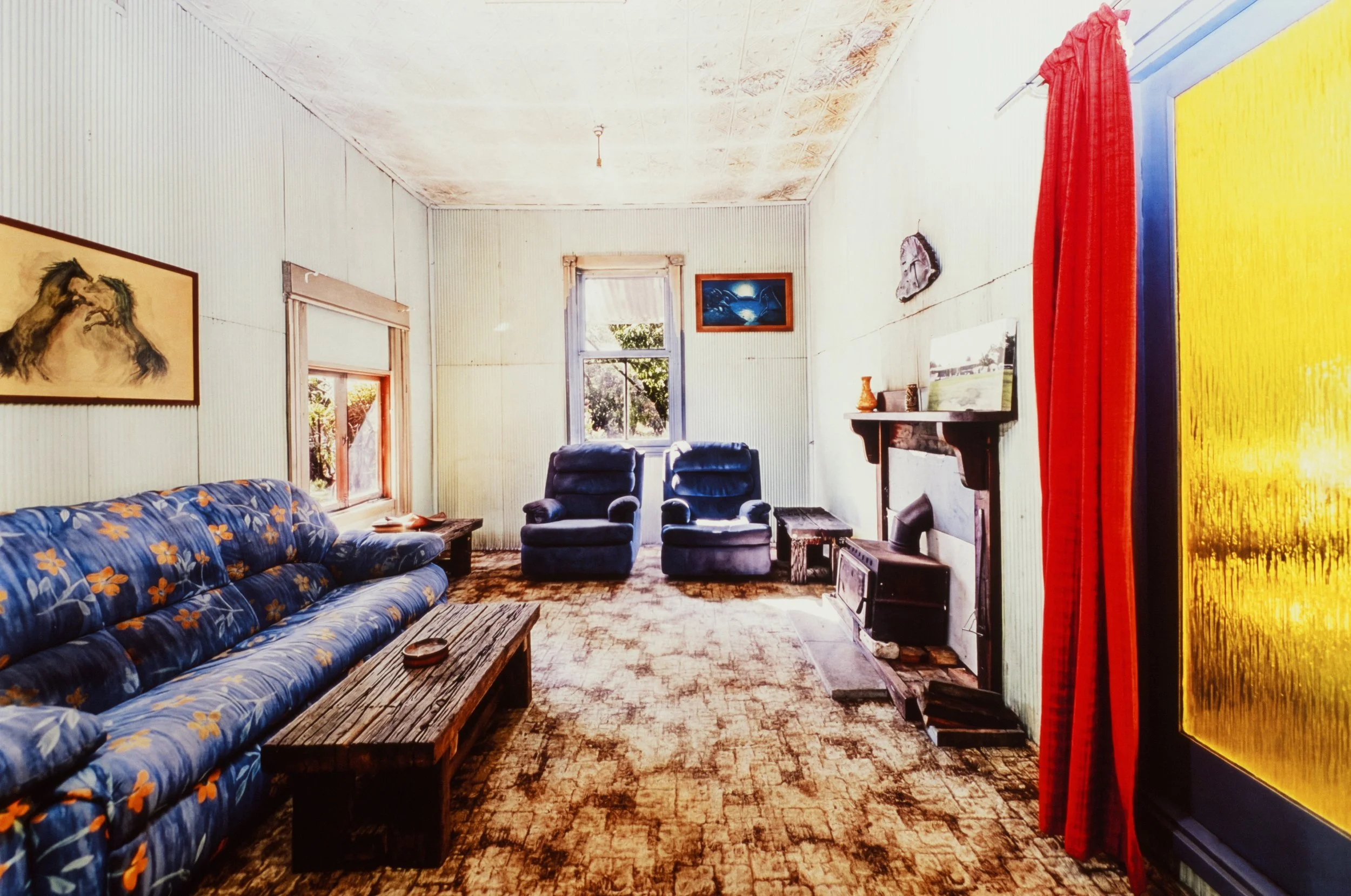
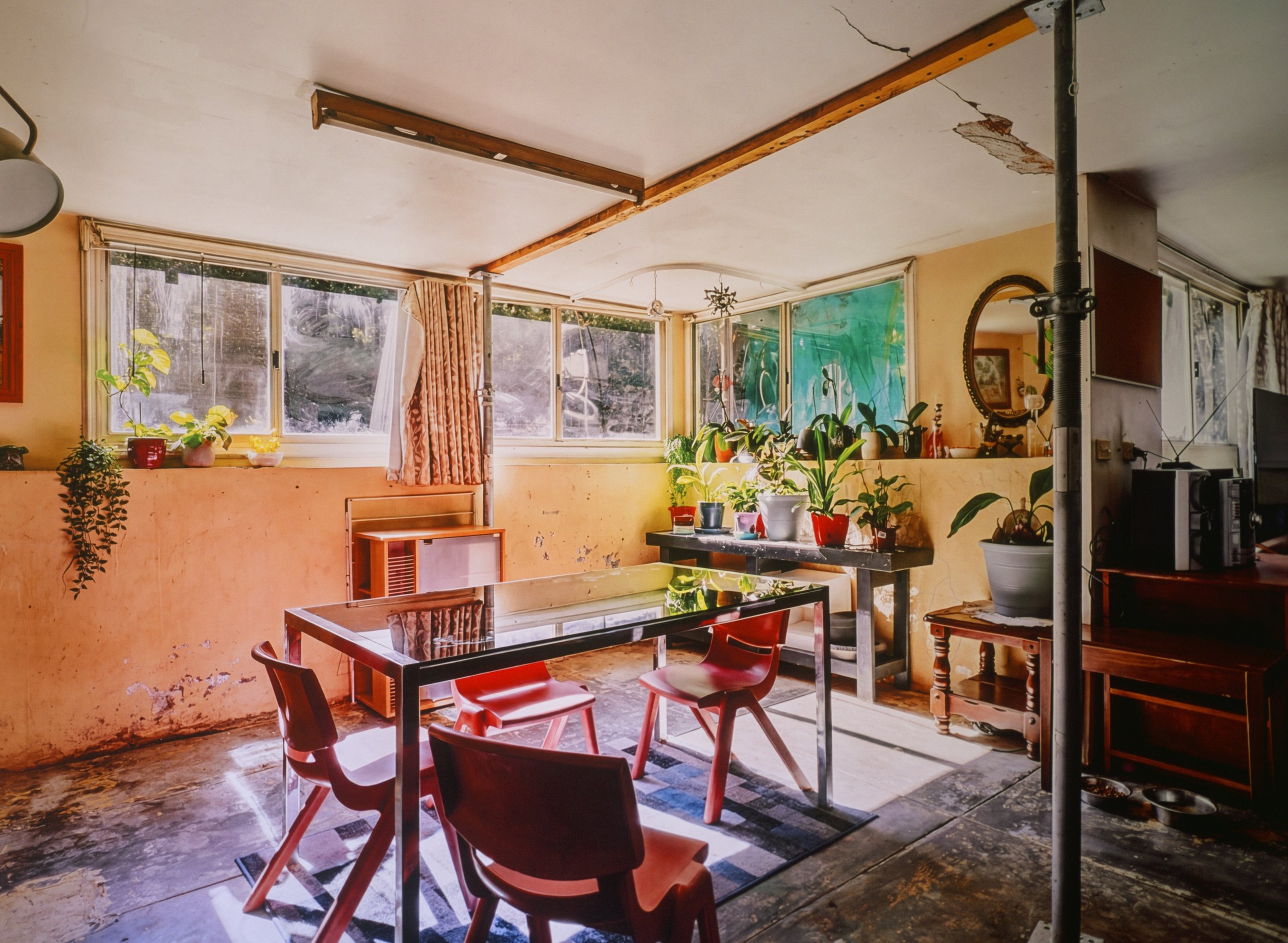
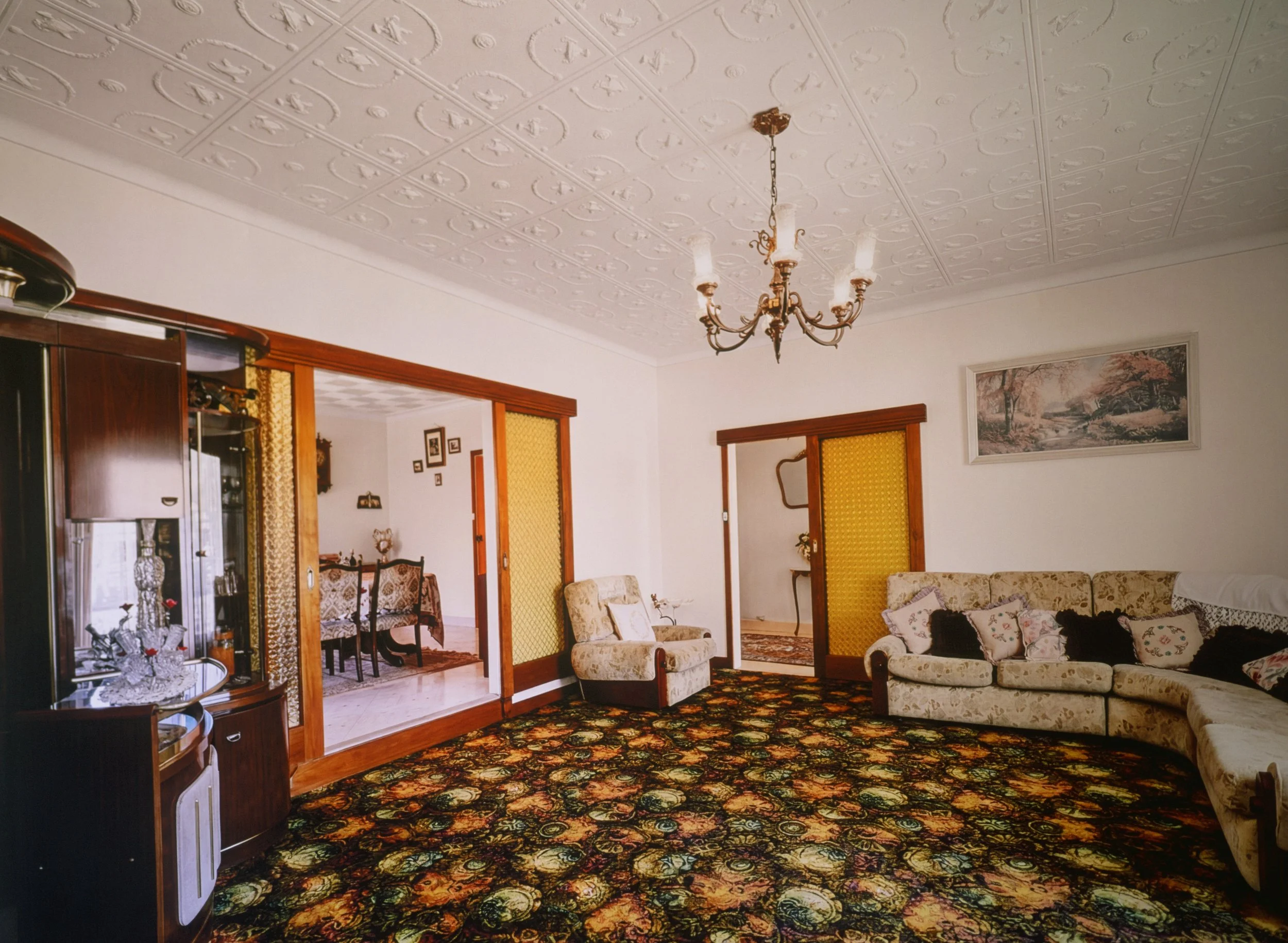
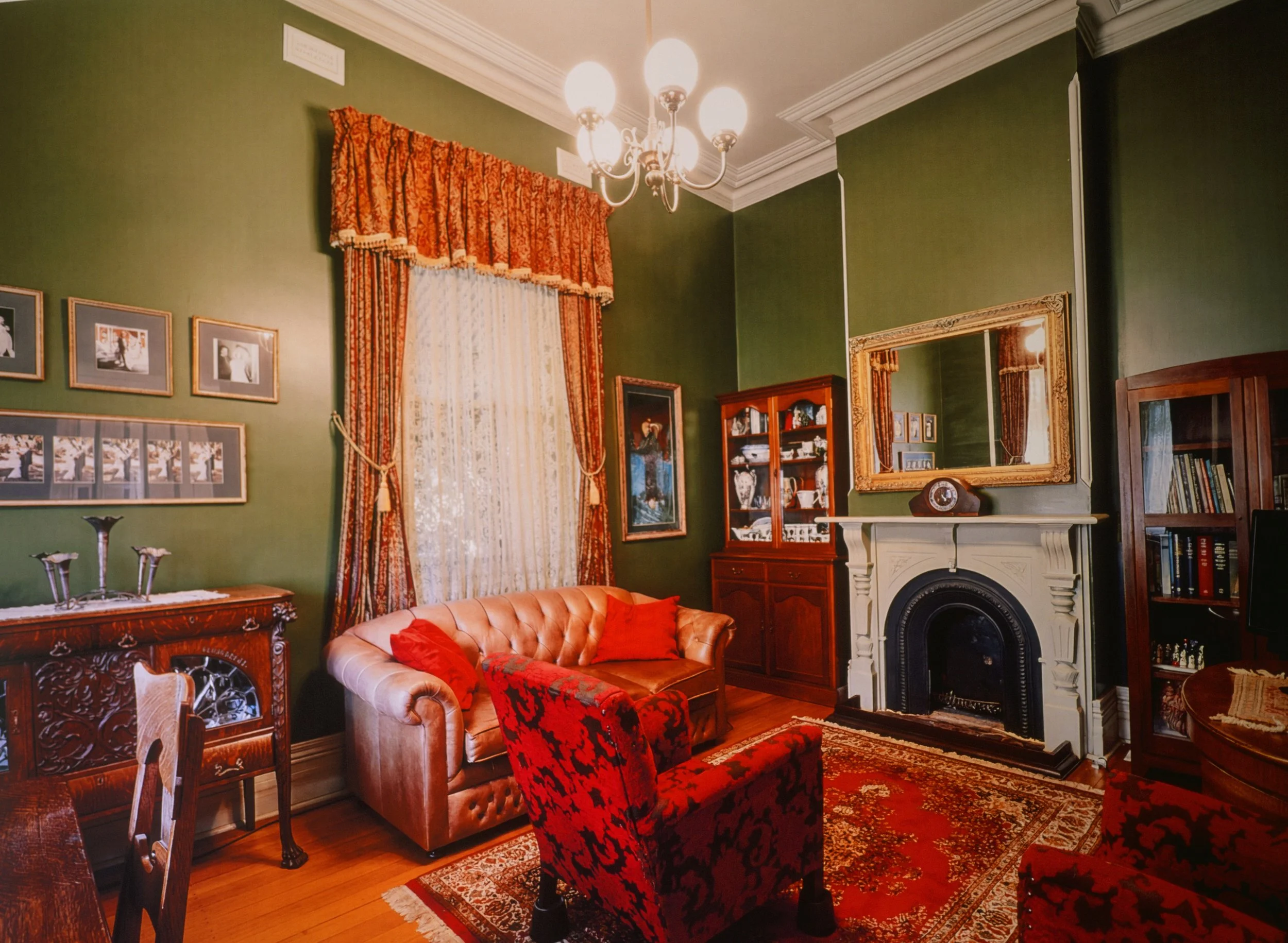
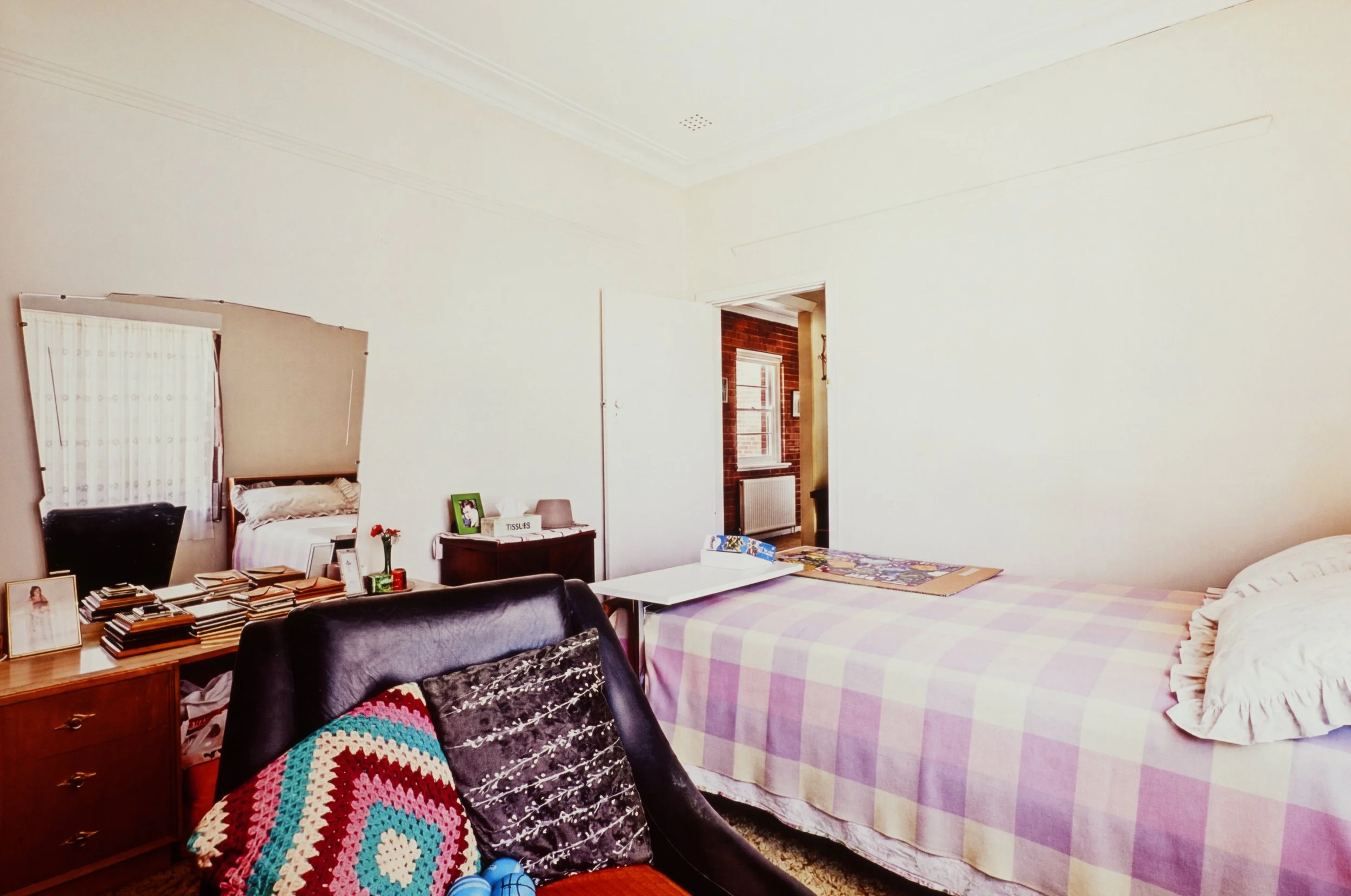
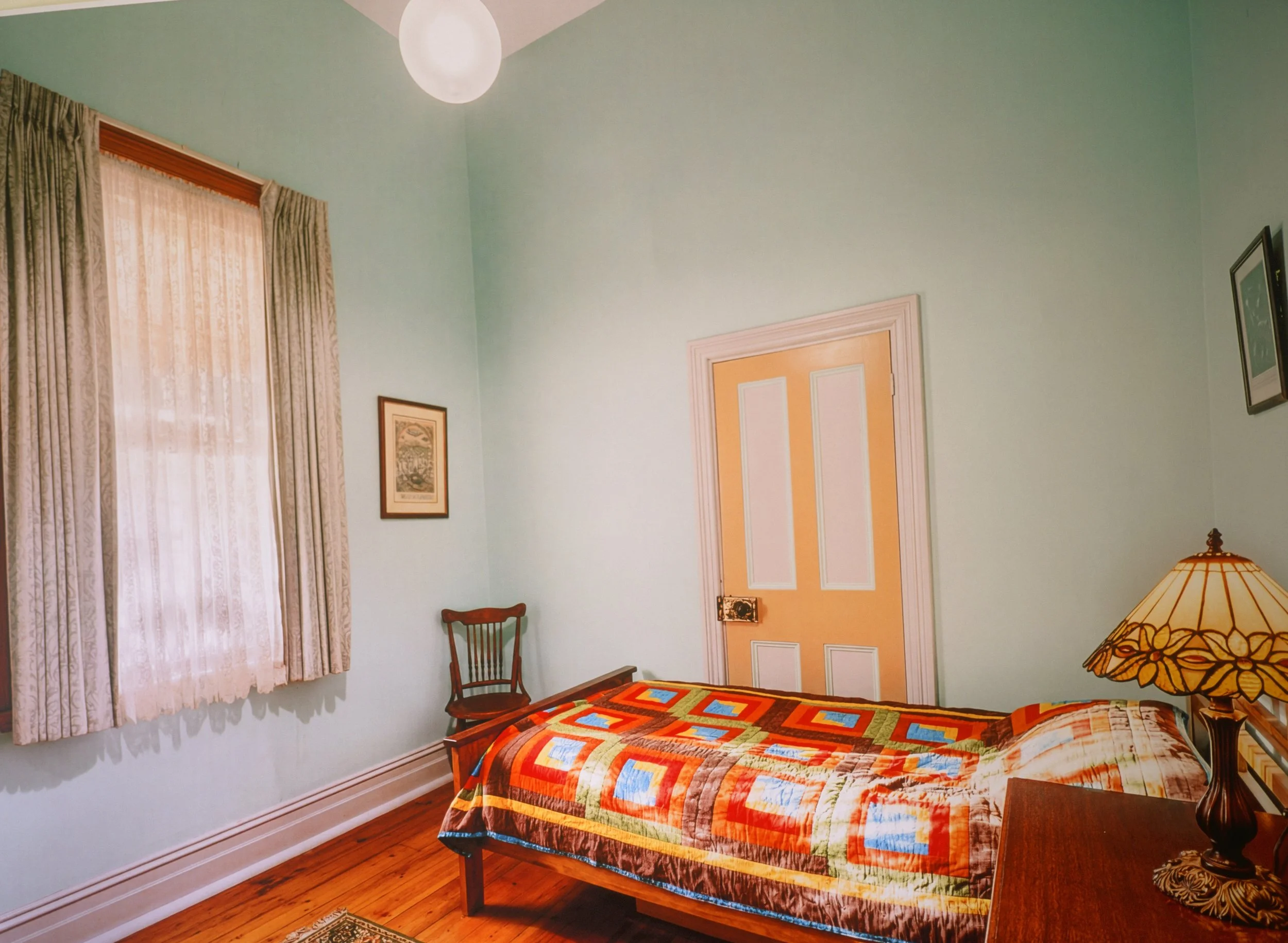
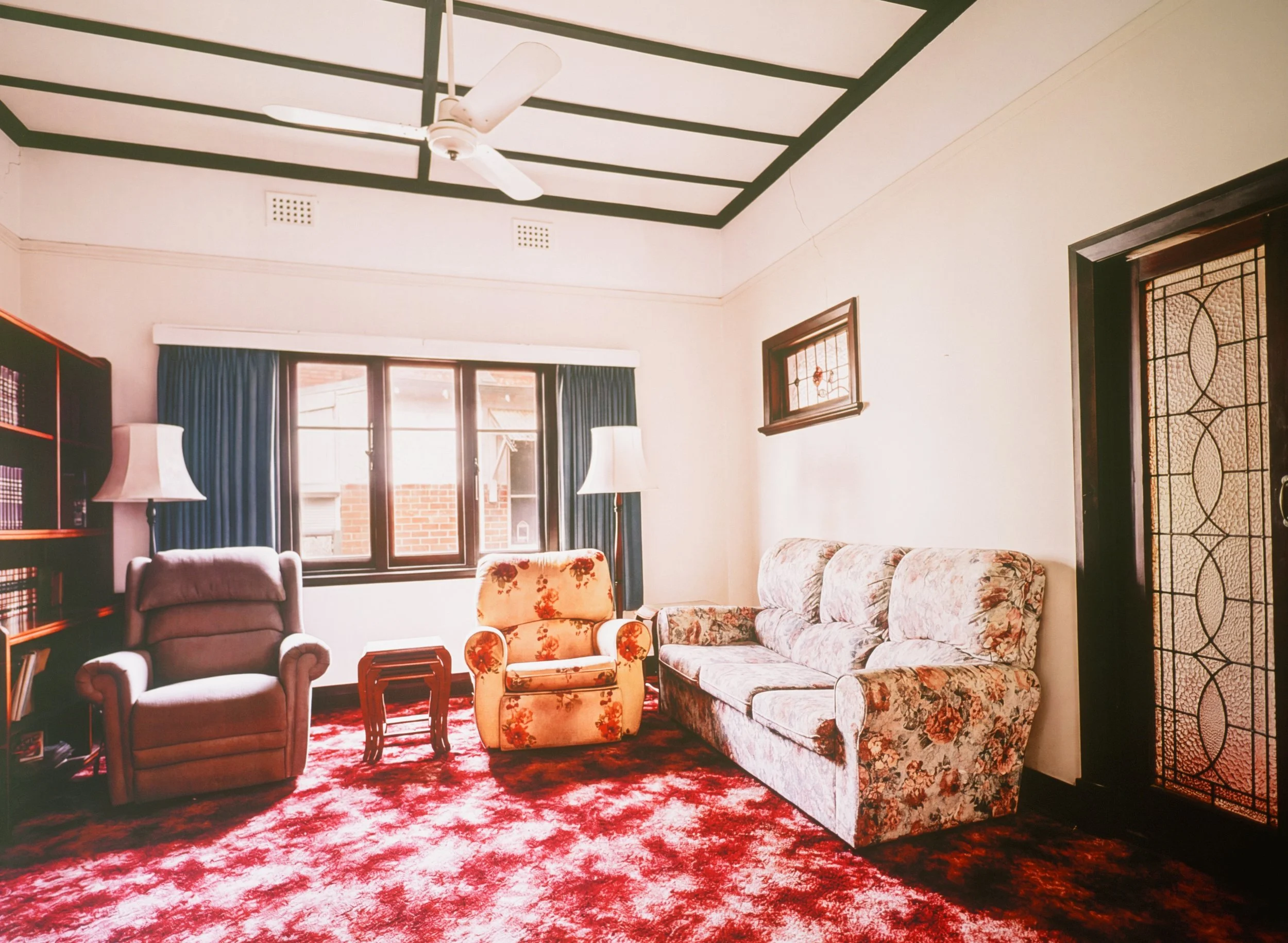
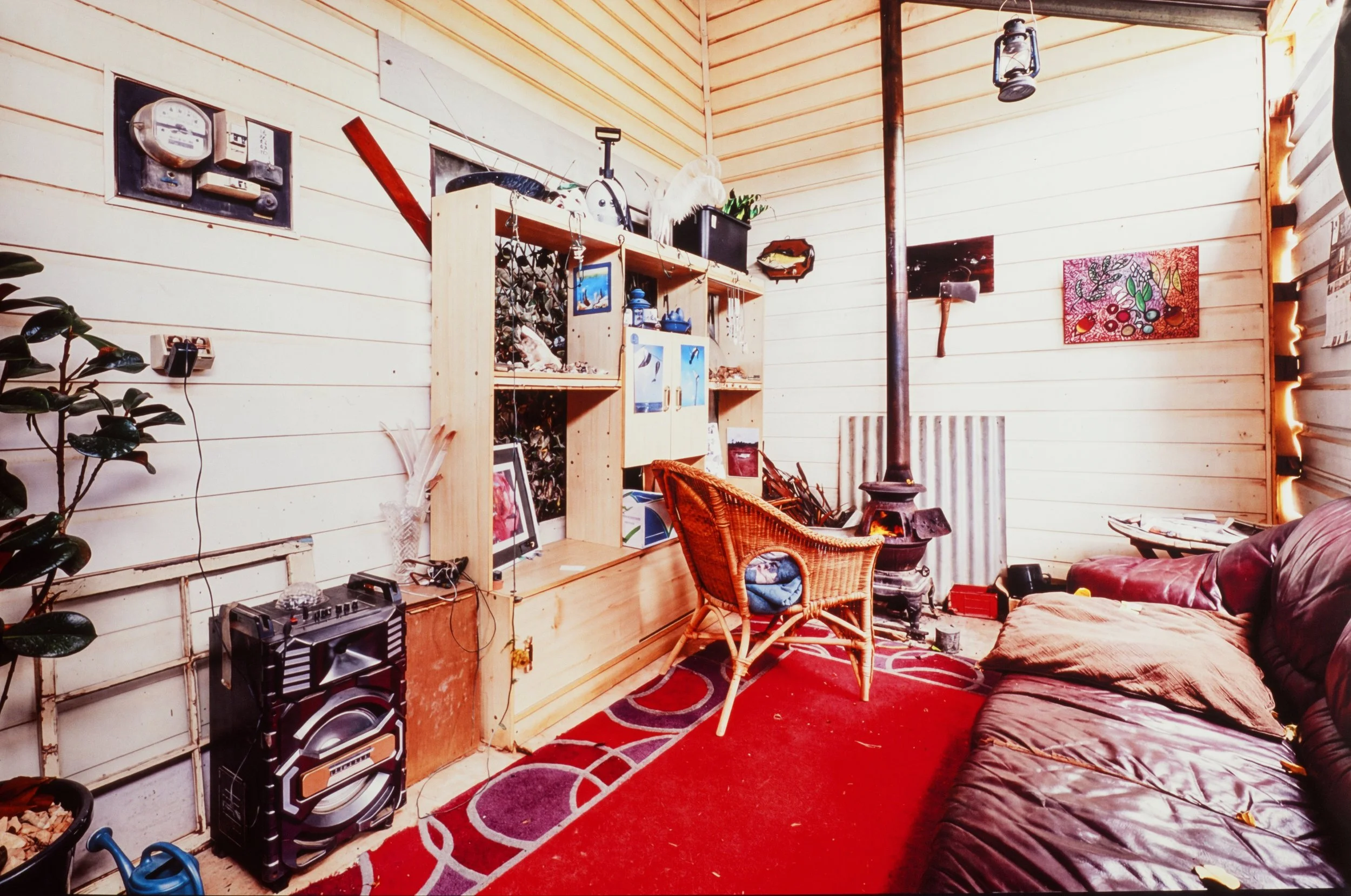
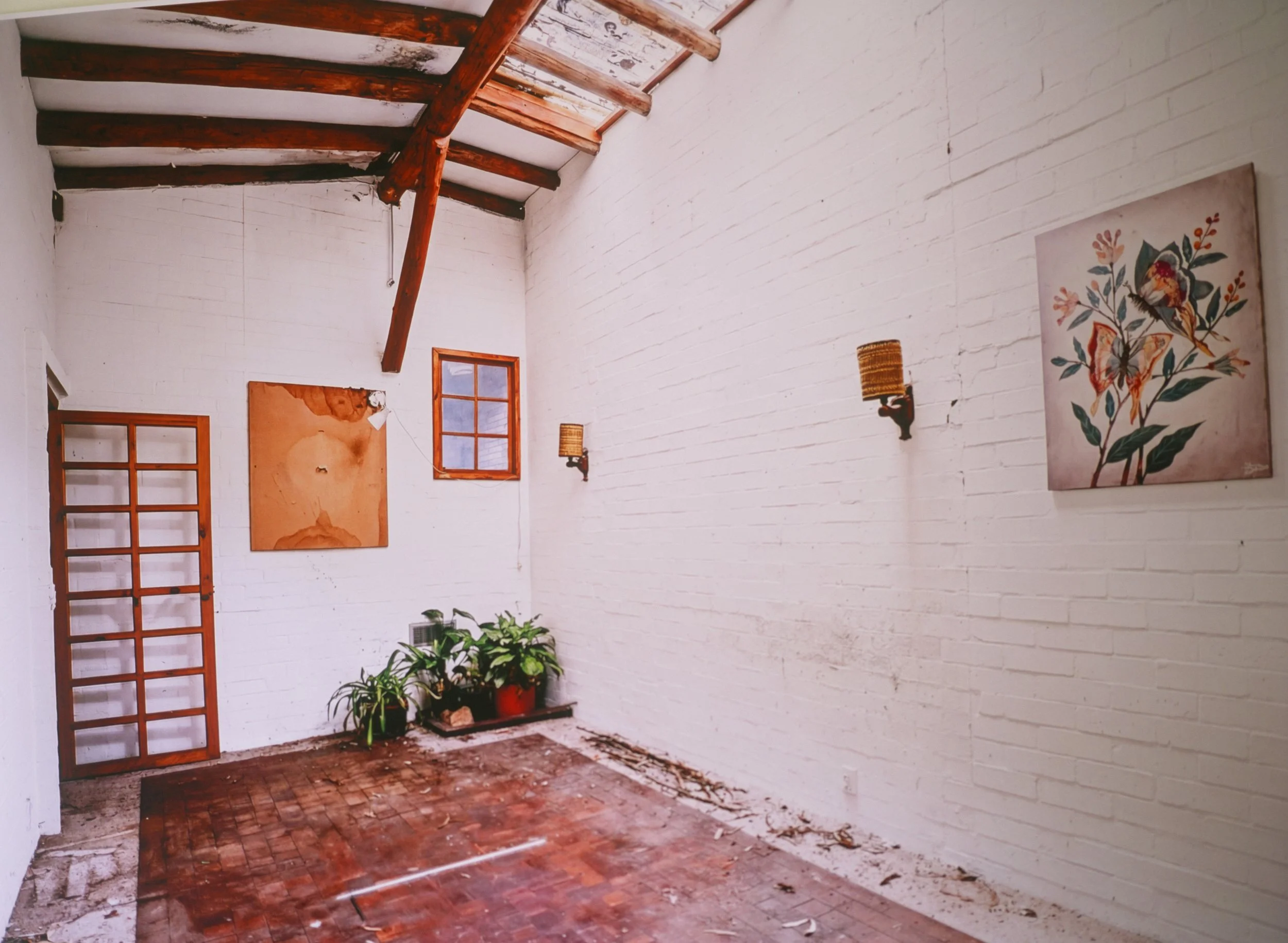
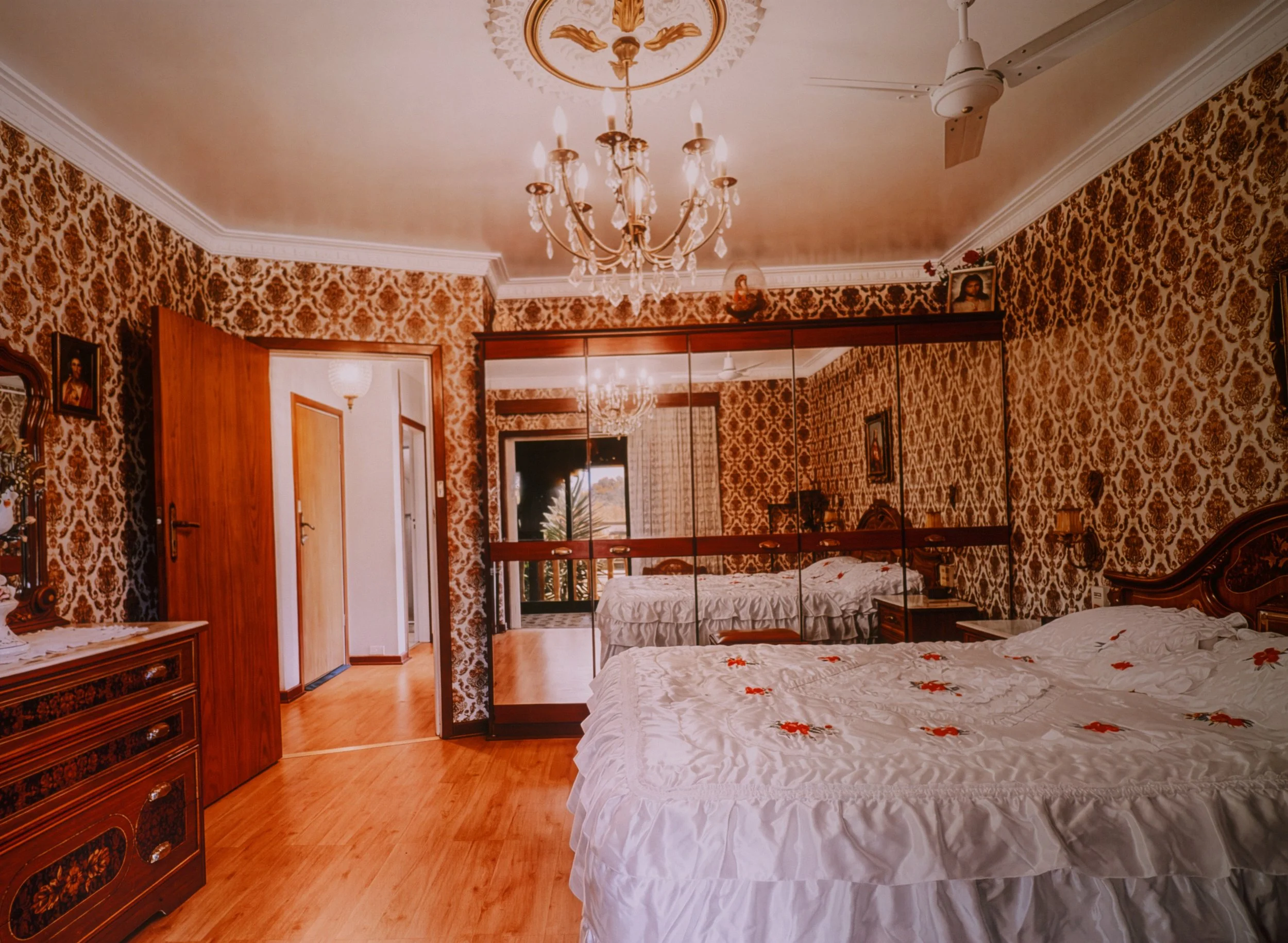
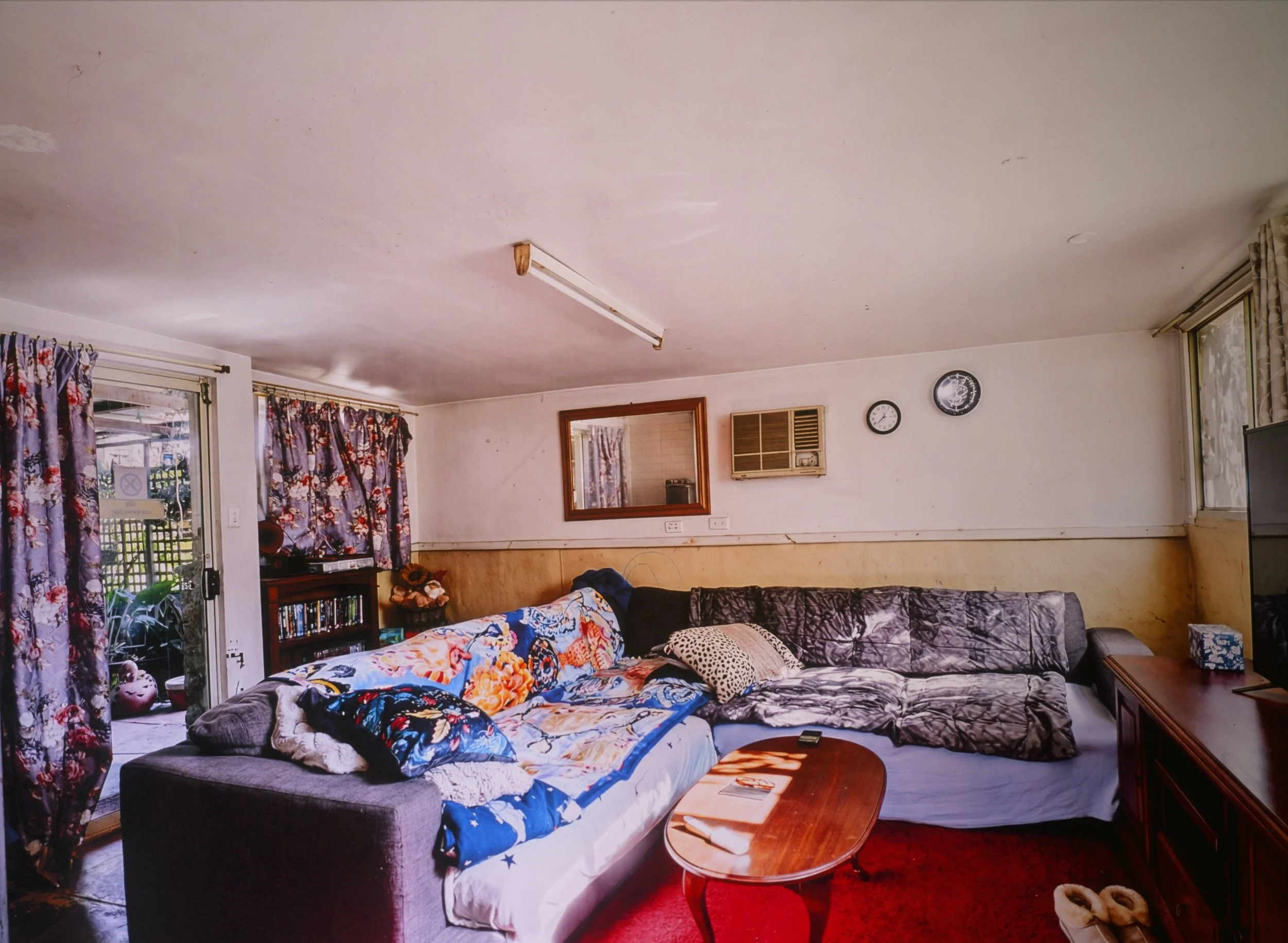
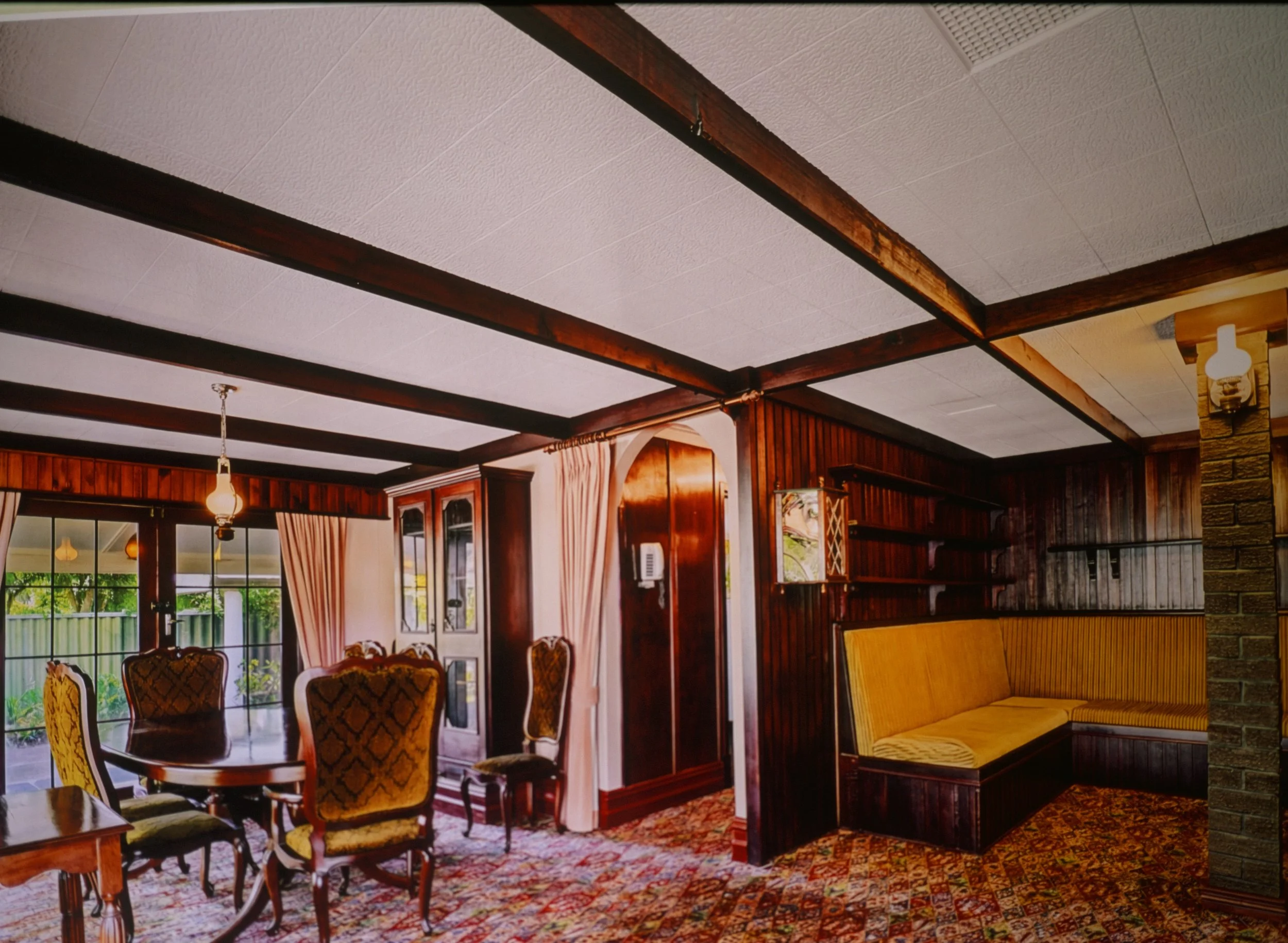
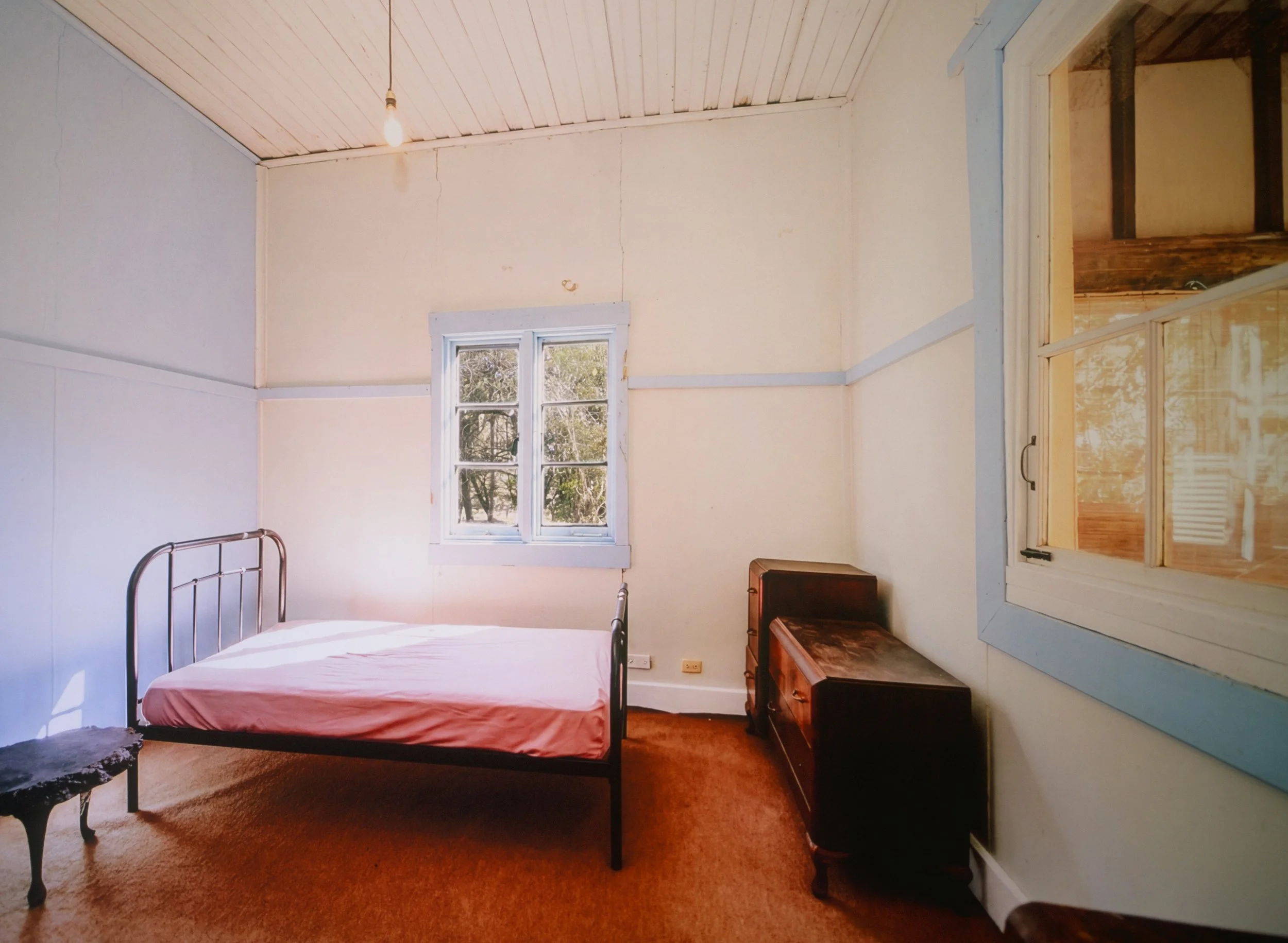
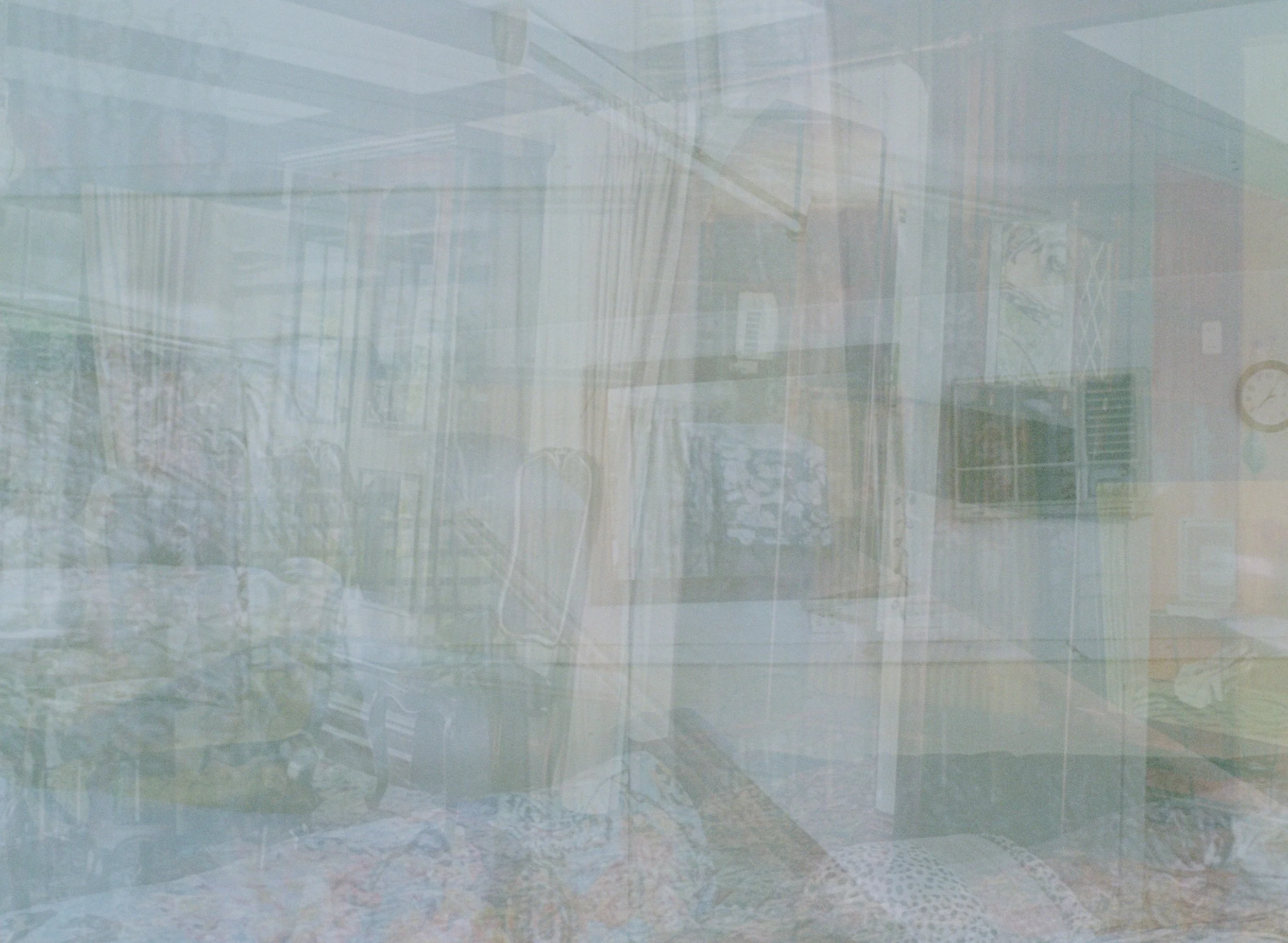
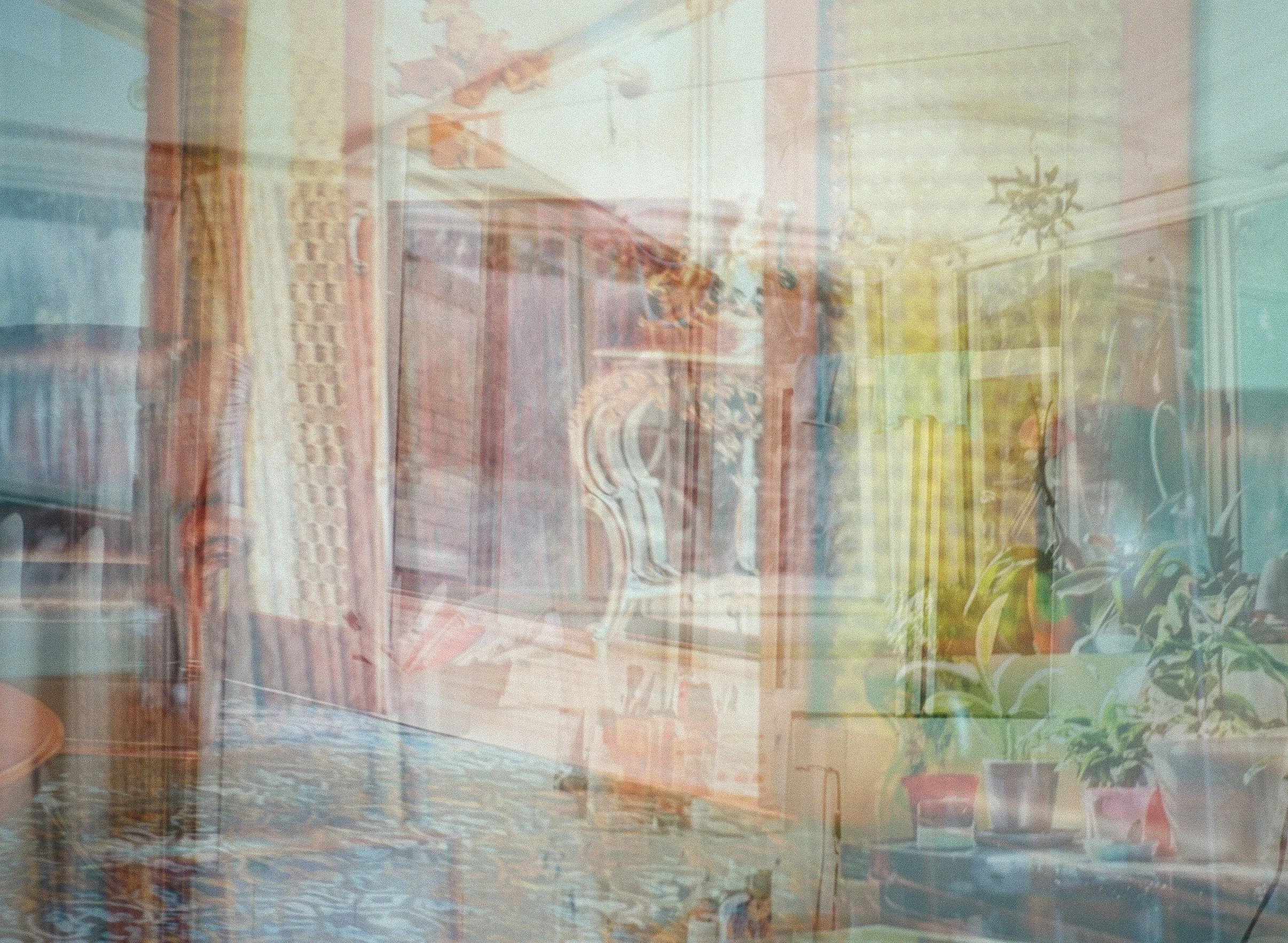
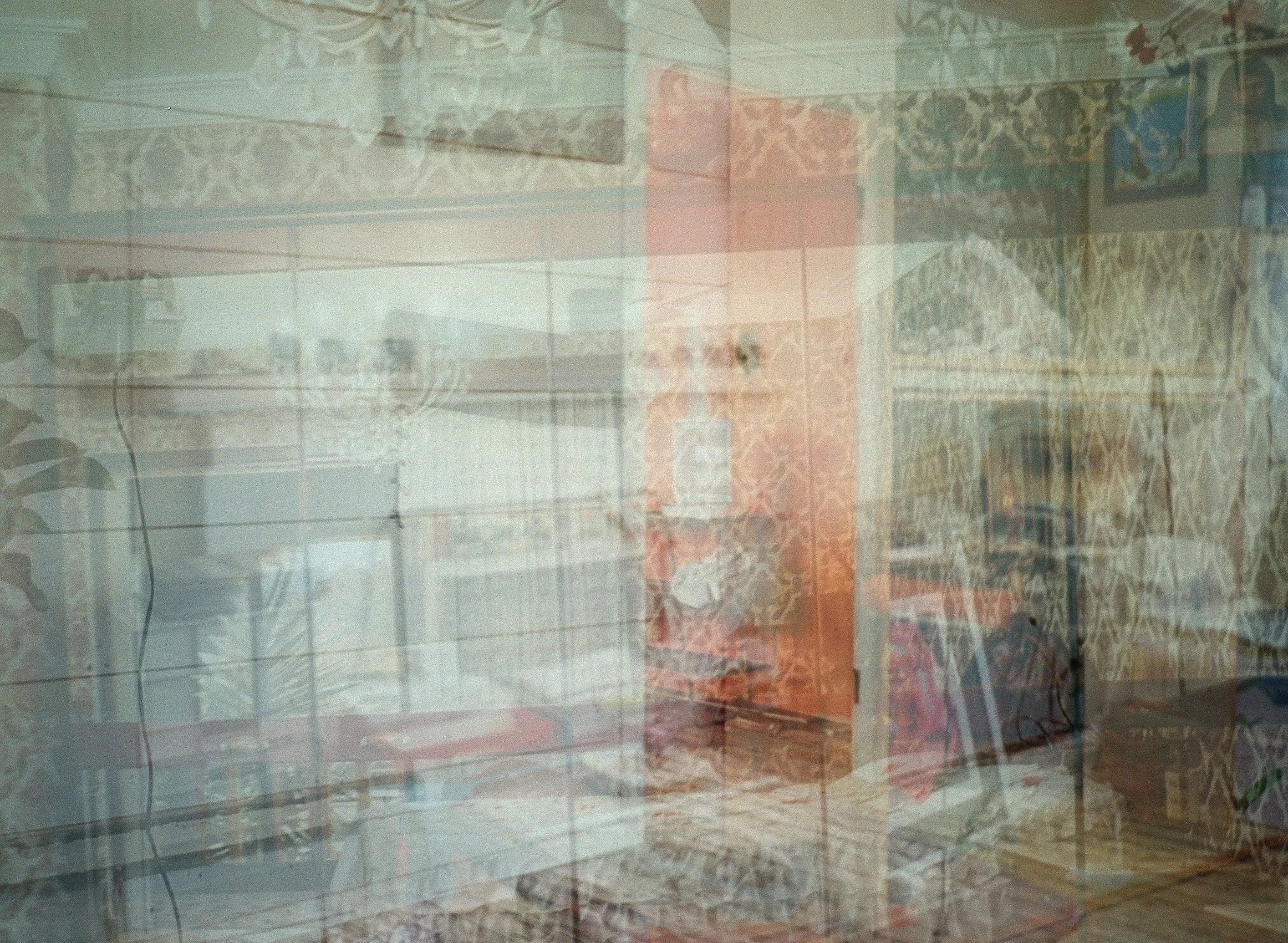
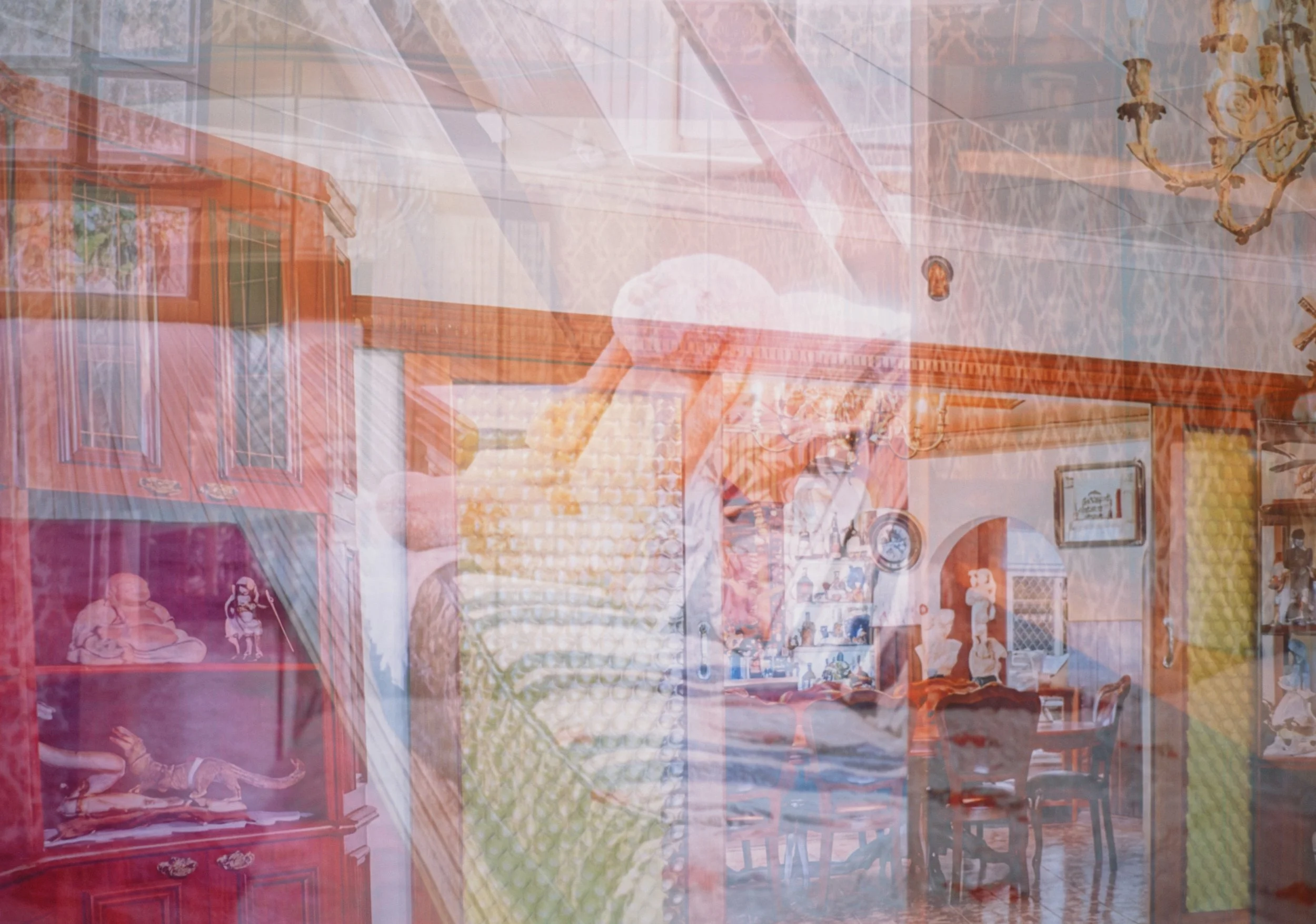
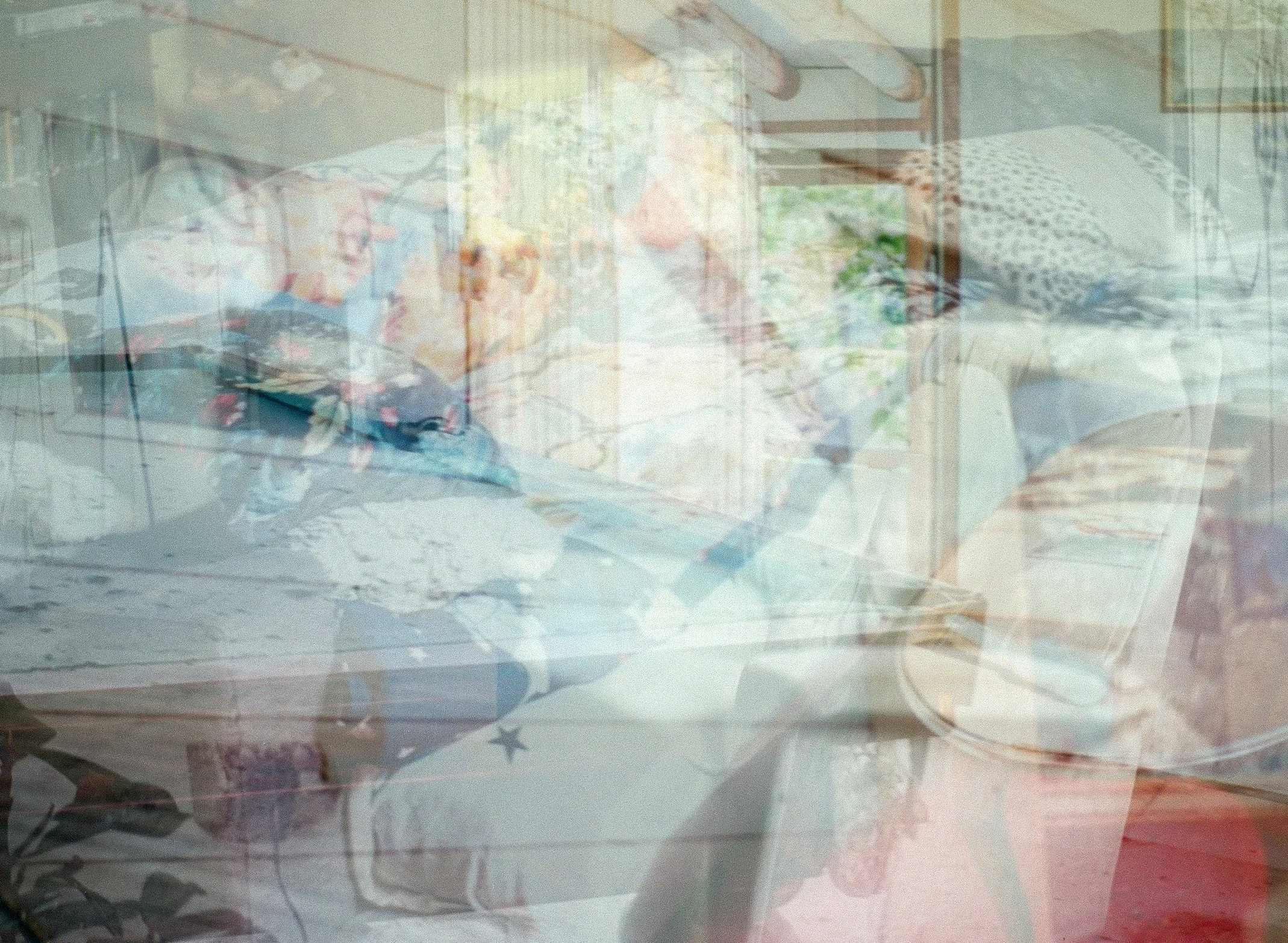
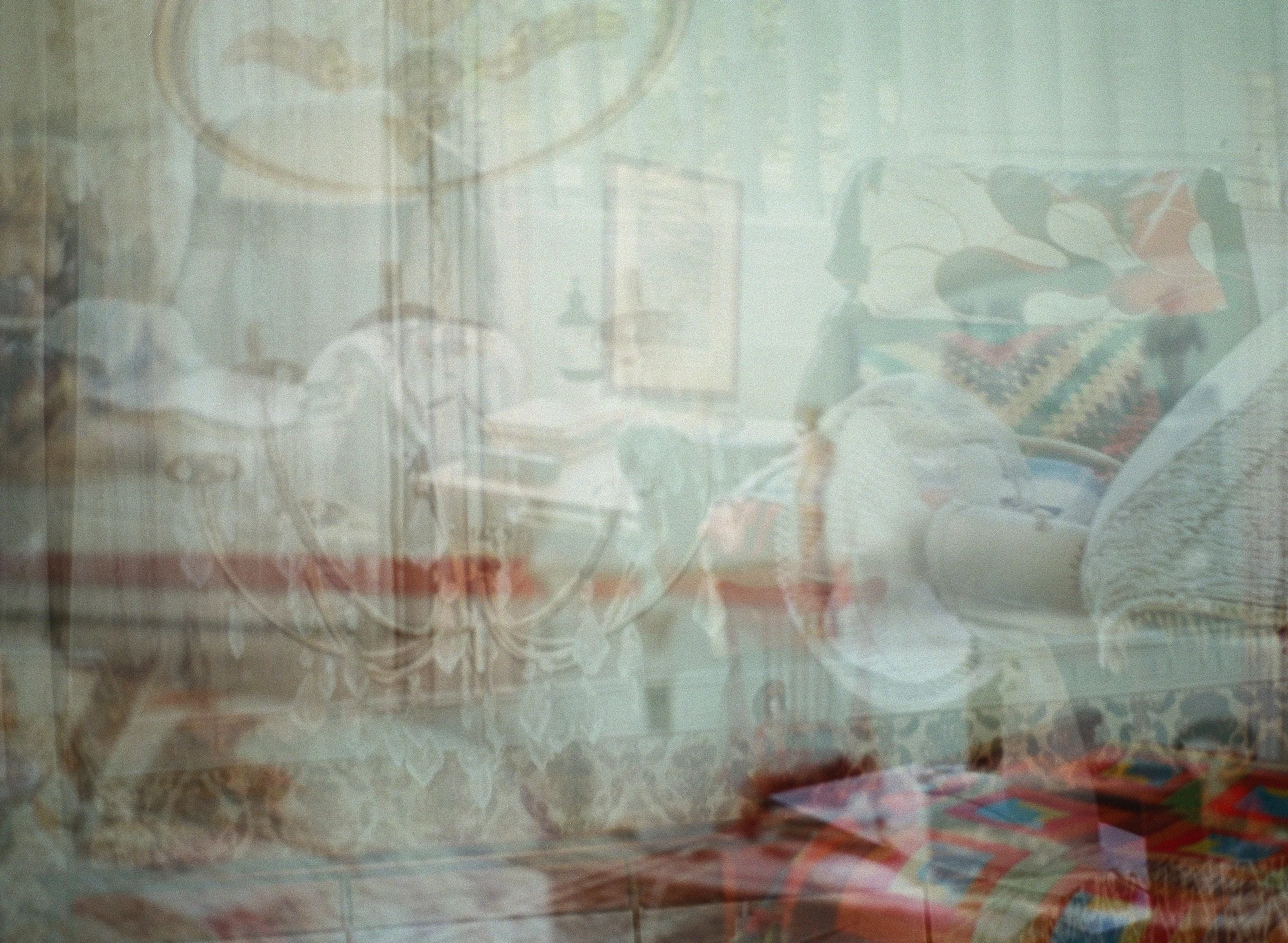
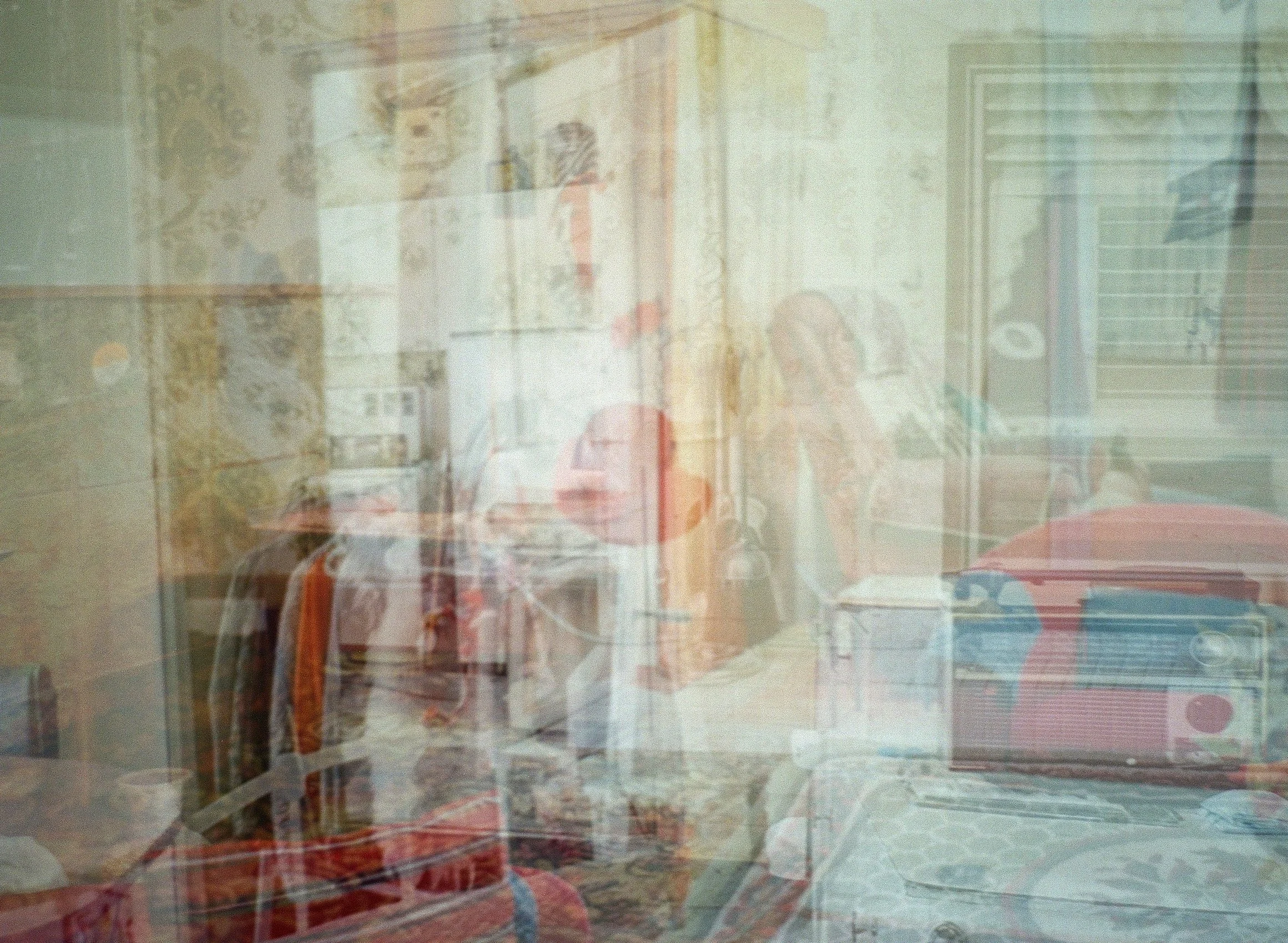
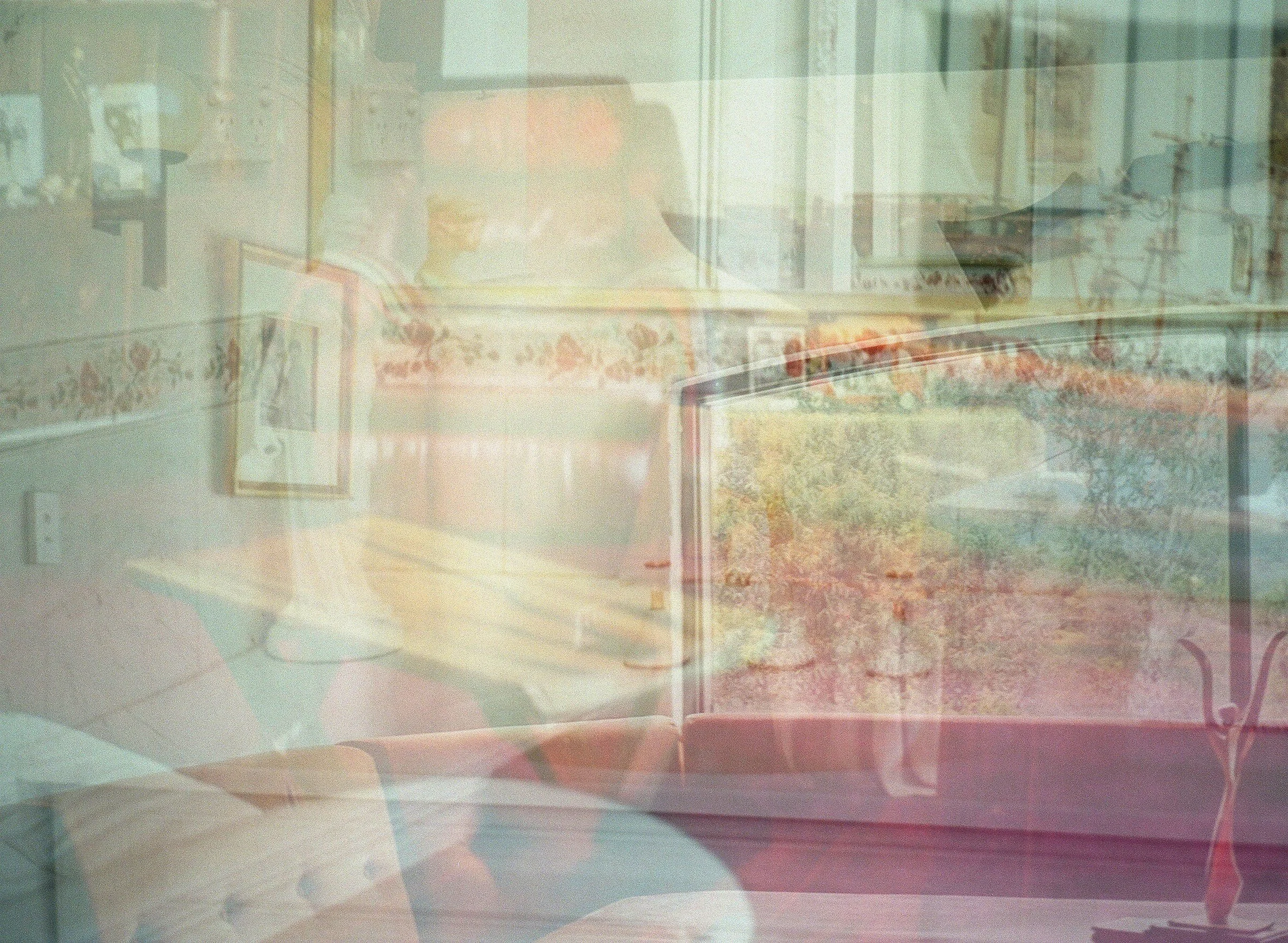
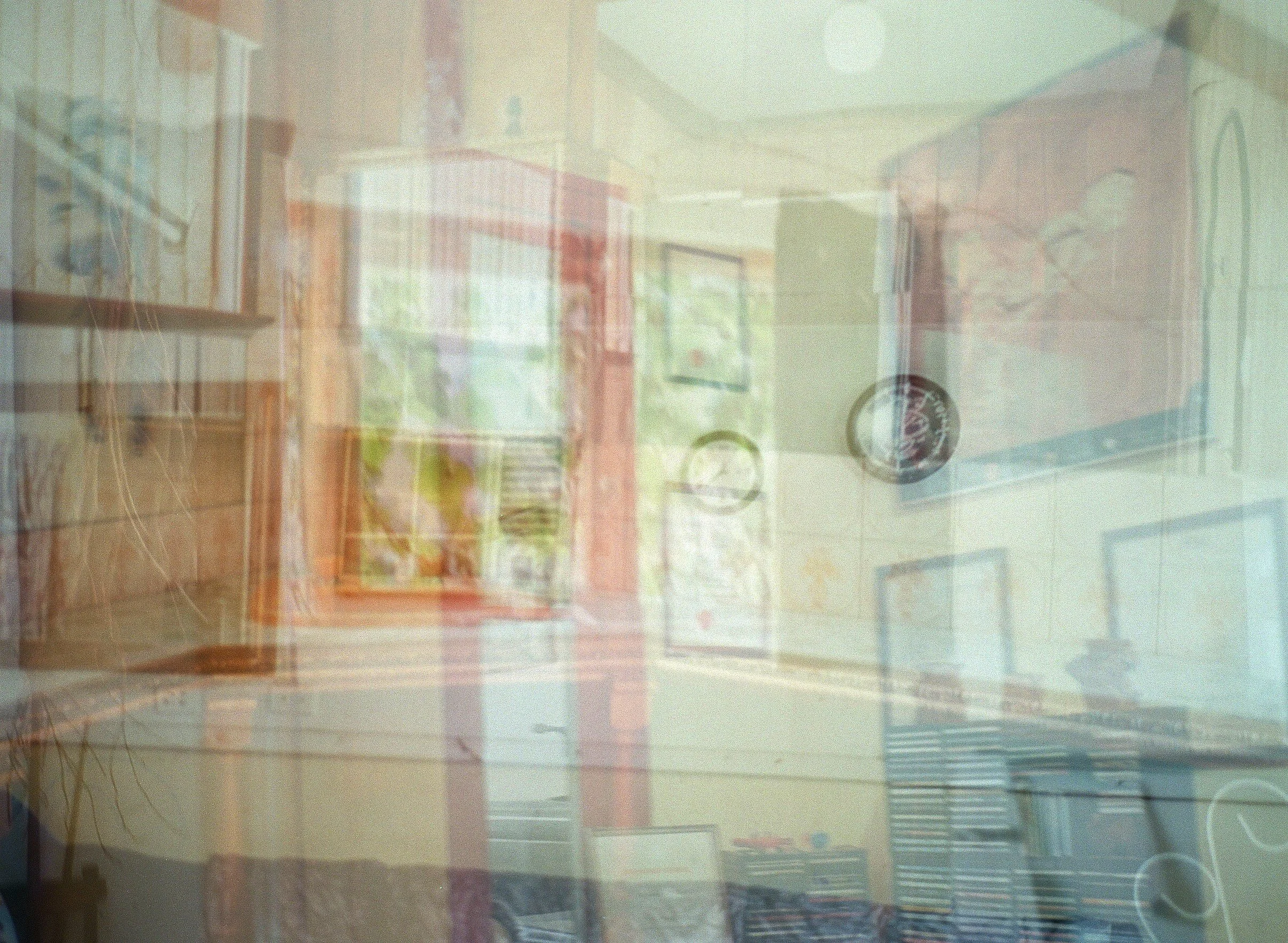
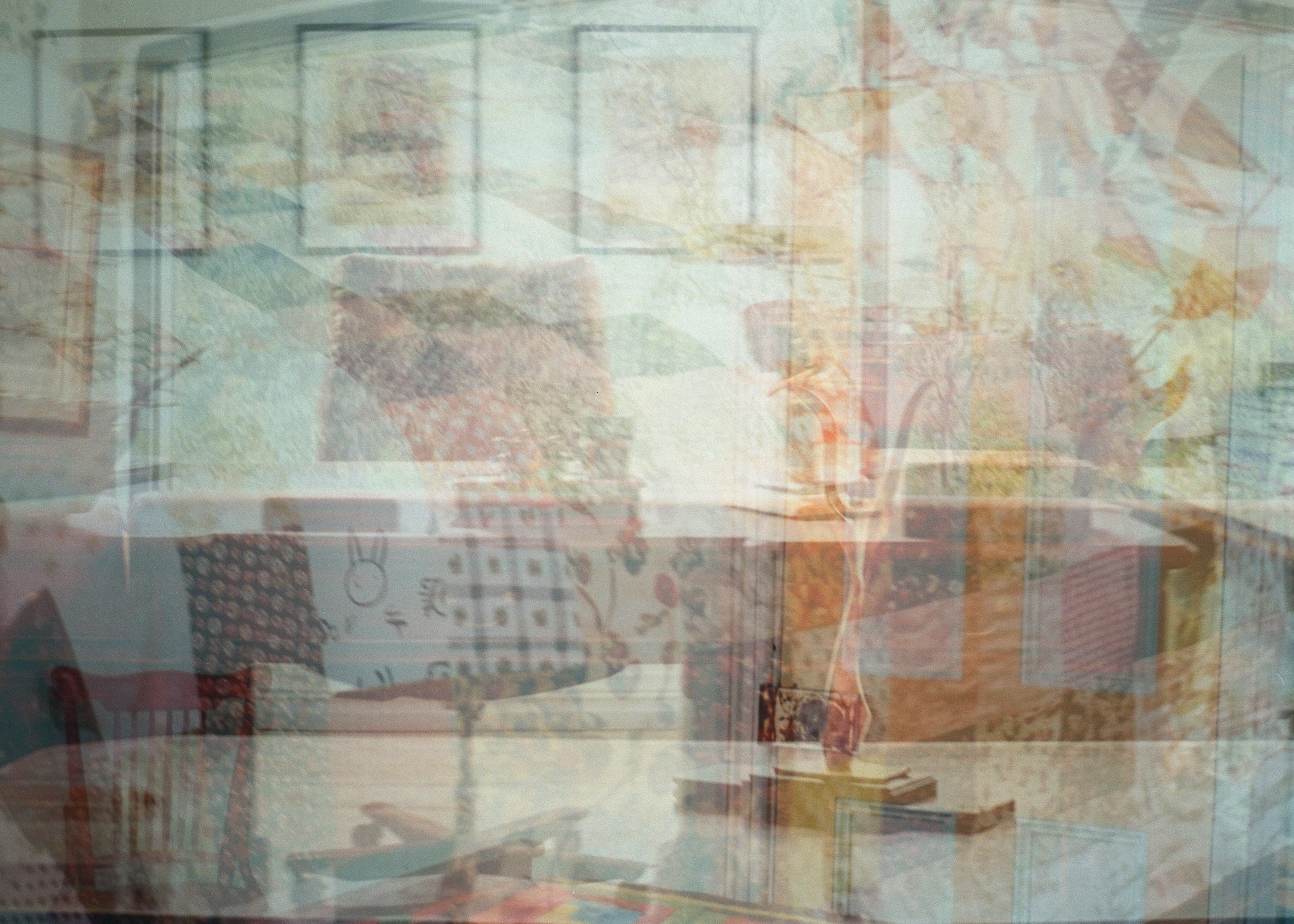
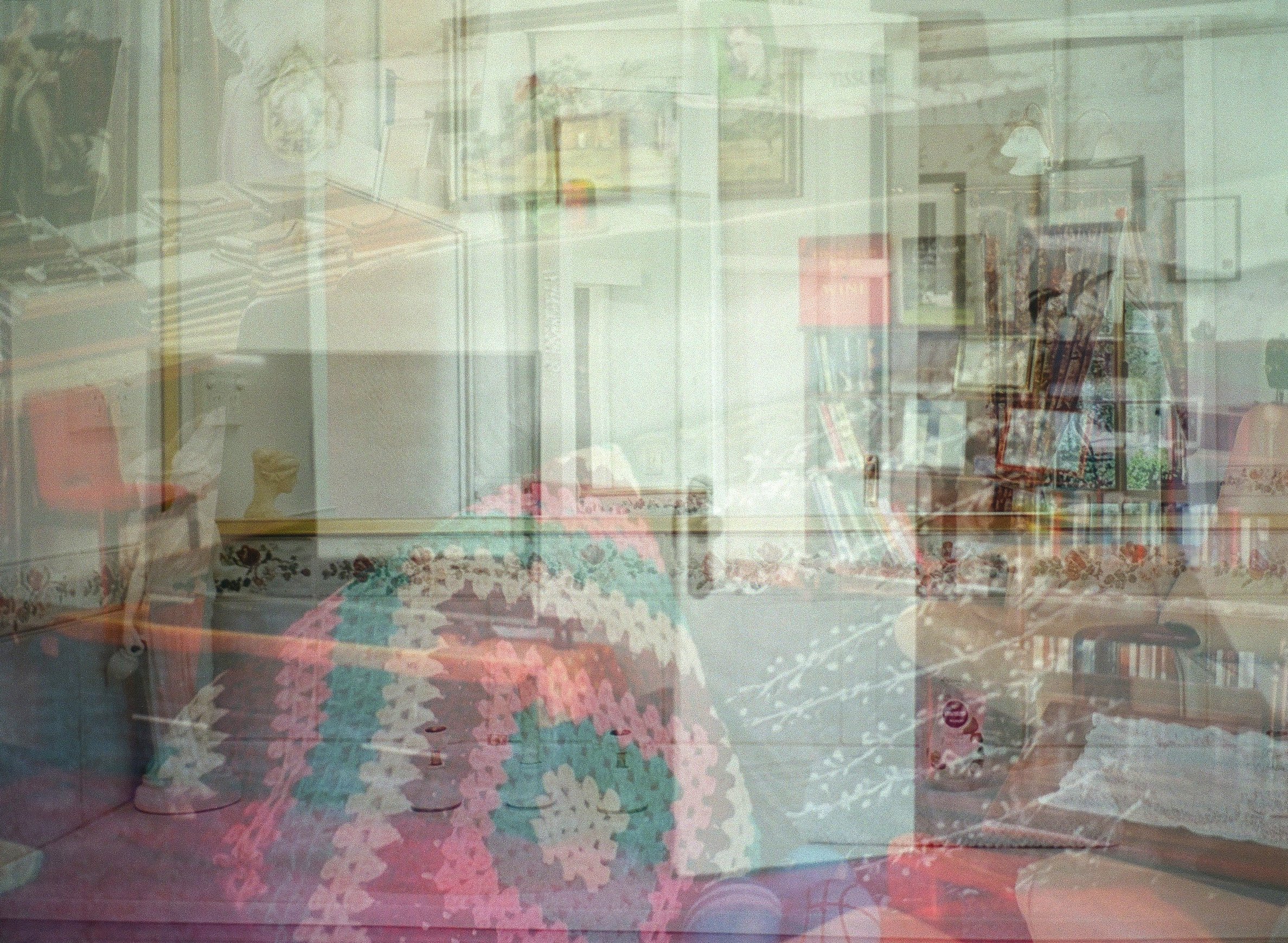
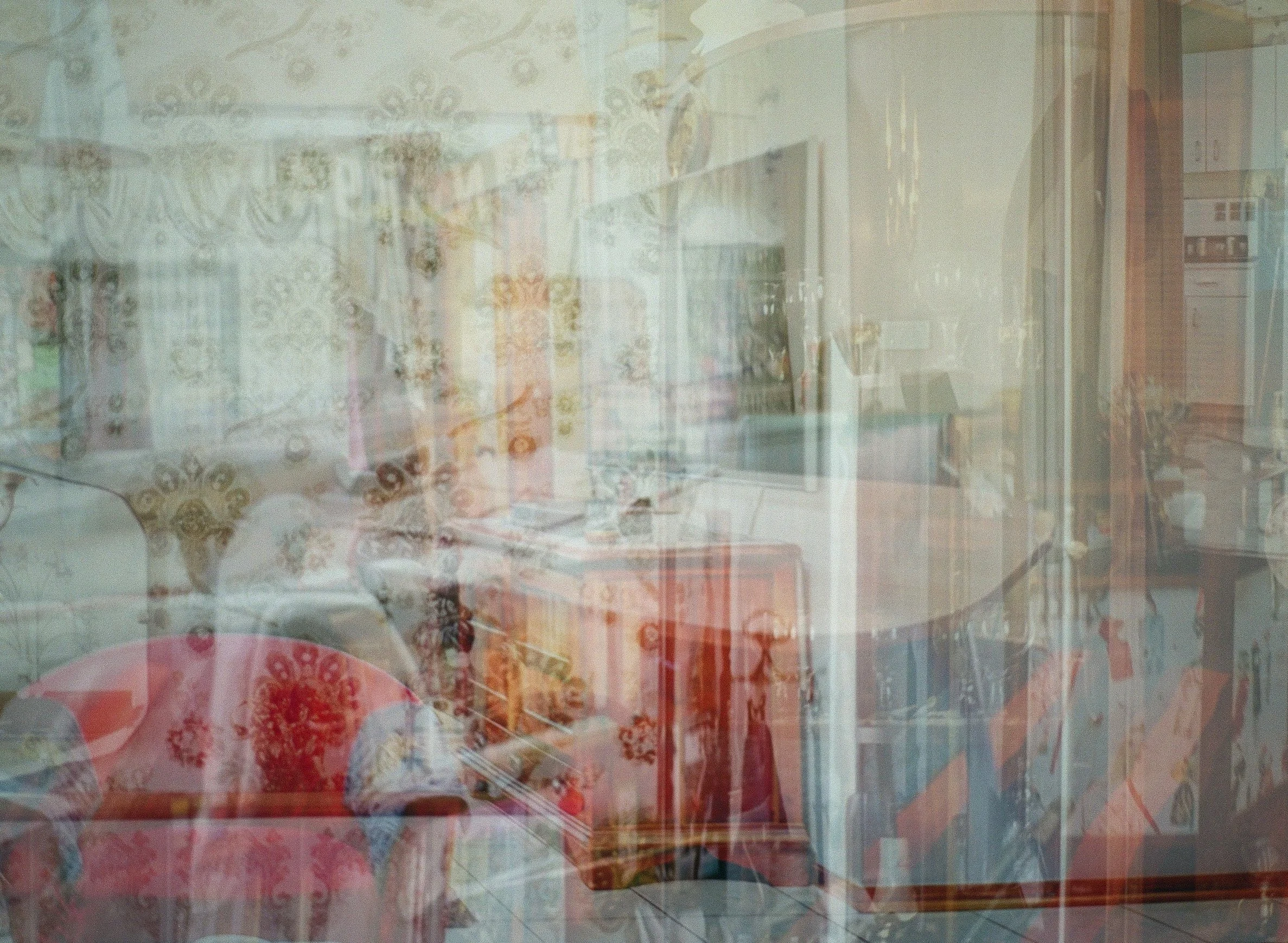
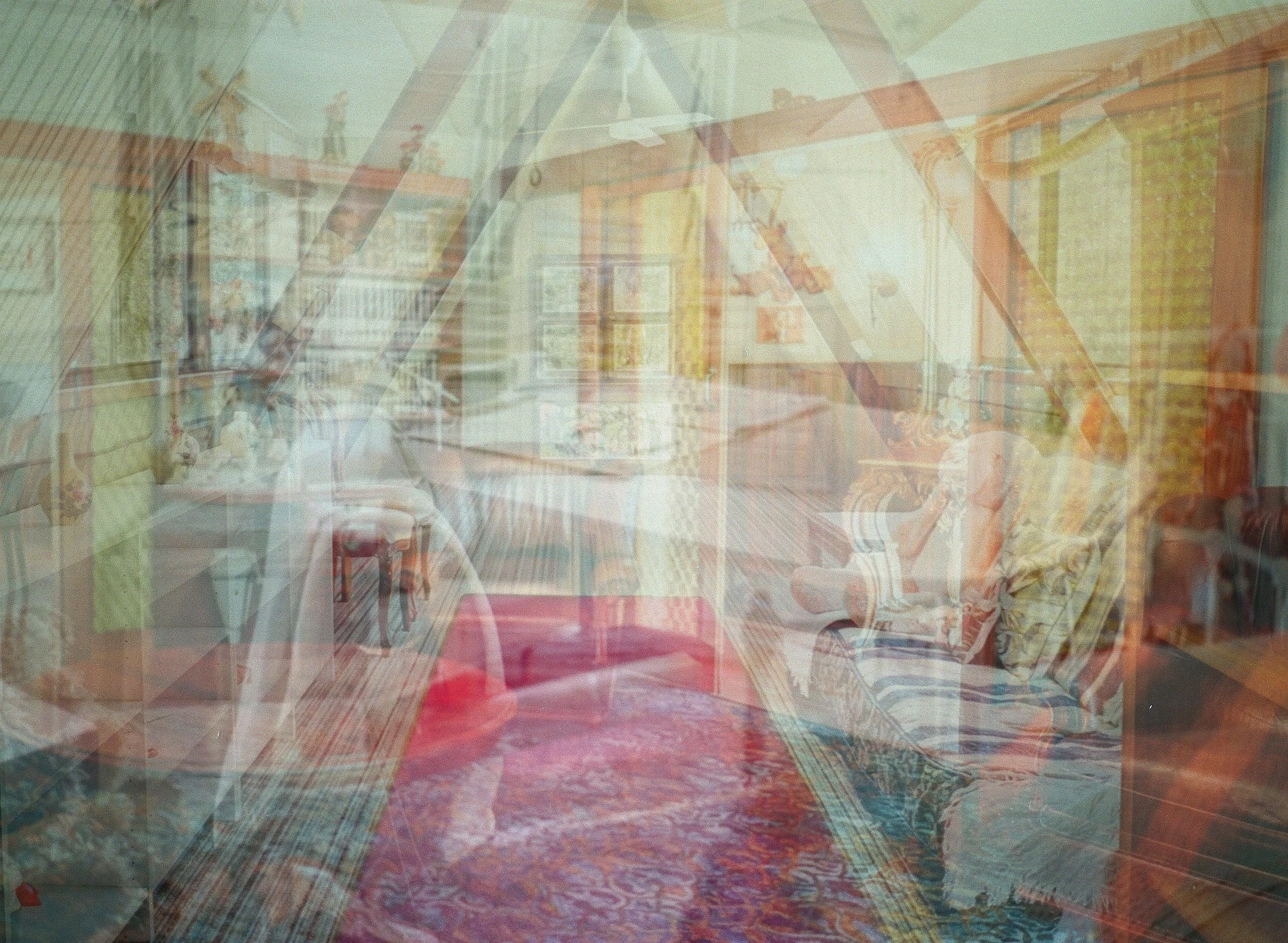
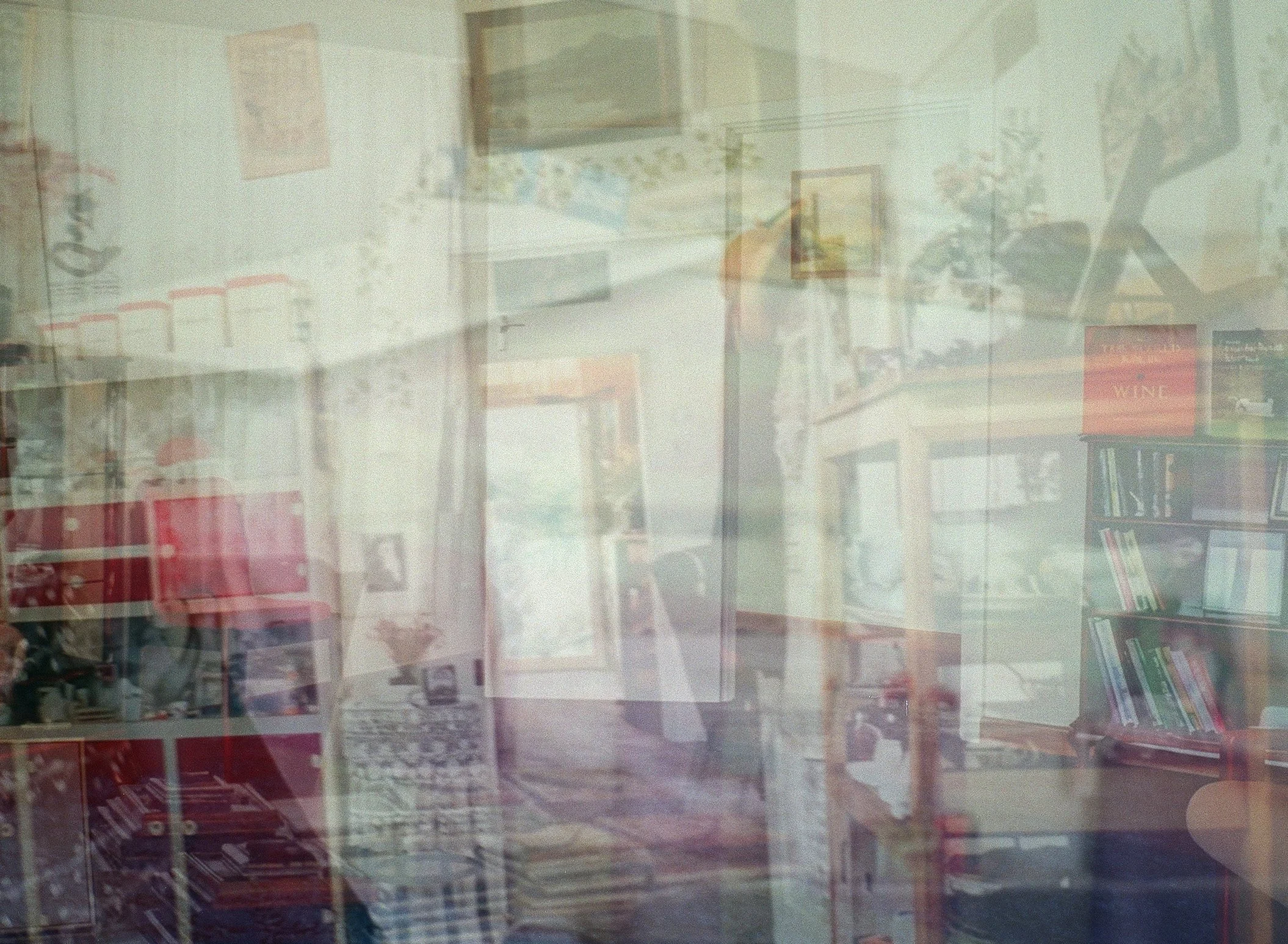
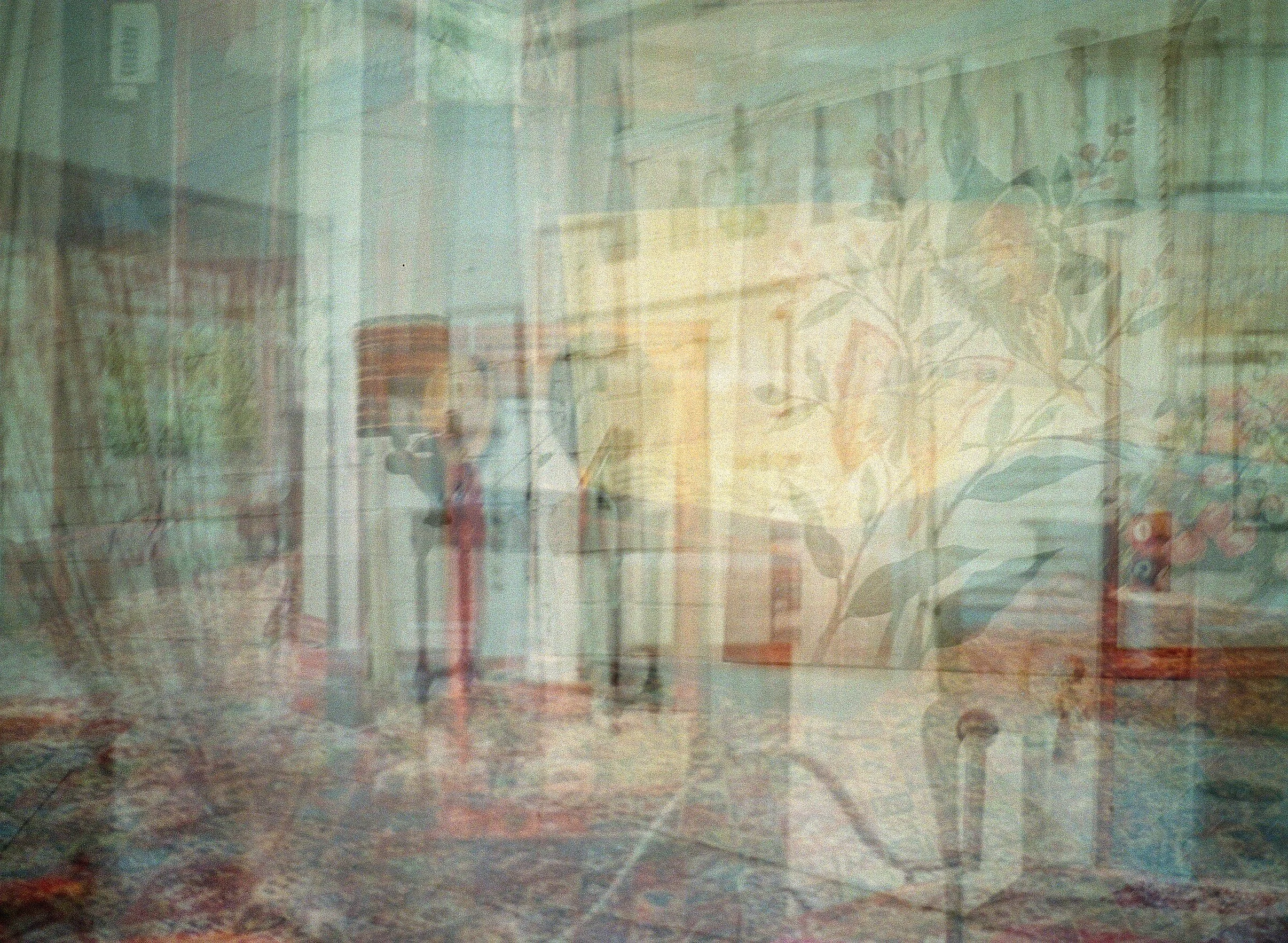
Multiple-exposure photographs explore the home as a place in which different moments, memories, and histories accumulate. Domestic interiors are photographed through multiple exposures on a single frame, allowing walls, windows, furniture, doorways, and objects from different spaces to overlap. Rather than representing the home as belonging to a single moment, the images suggest how domestic spaces can hold successive histories, and how remembered homes can persist beyond occupation.
Multiple-exposure photographs, Fujifilm Pro 400H medium-format film (120), scanned film.
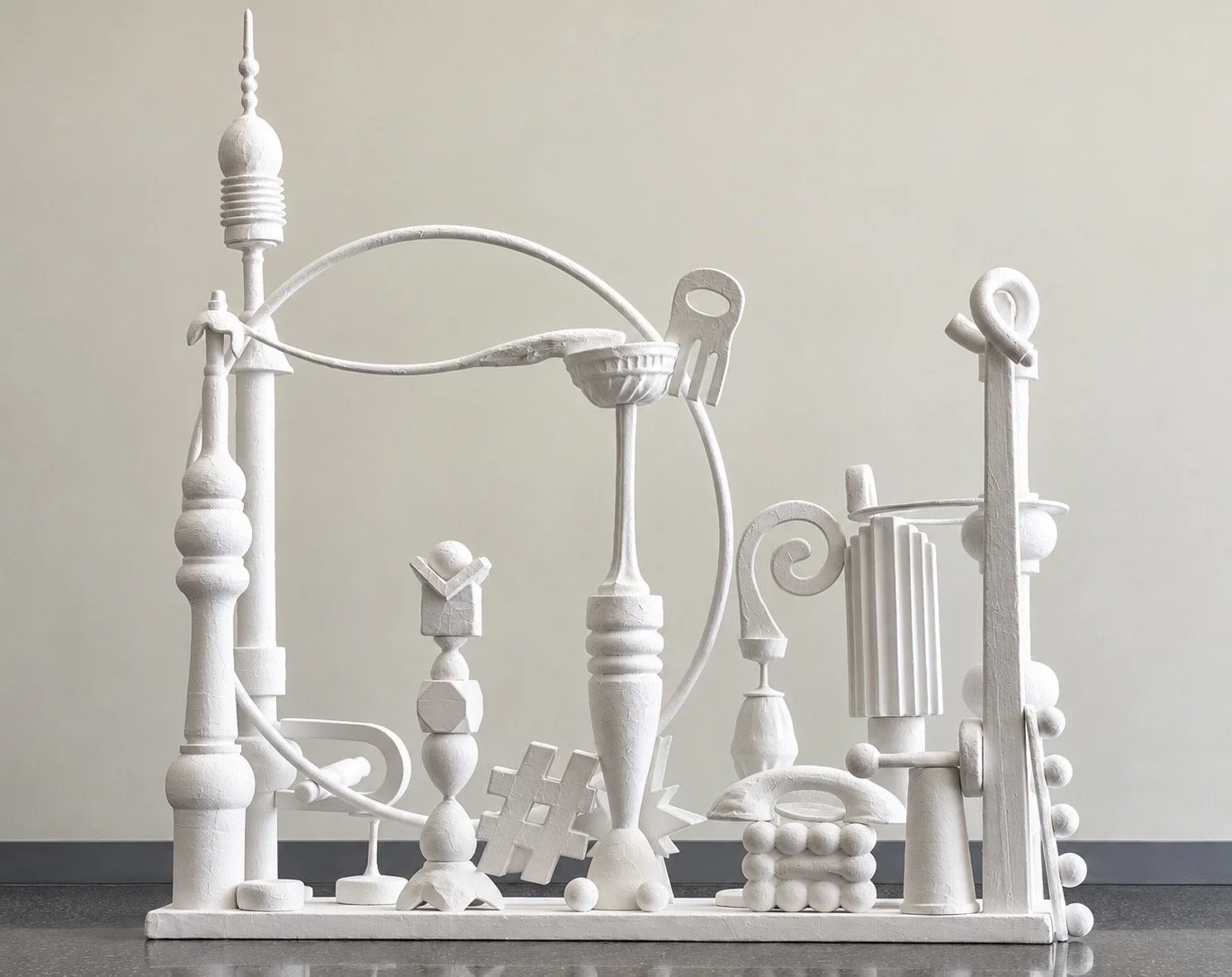
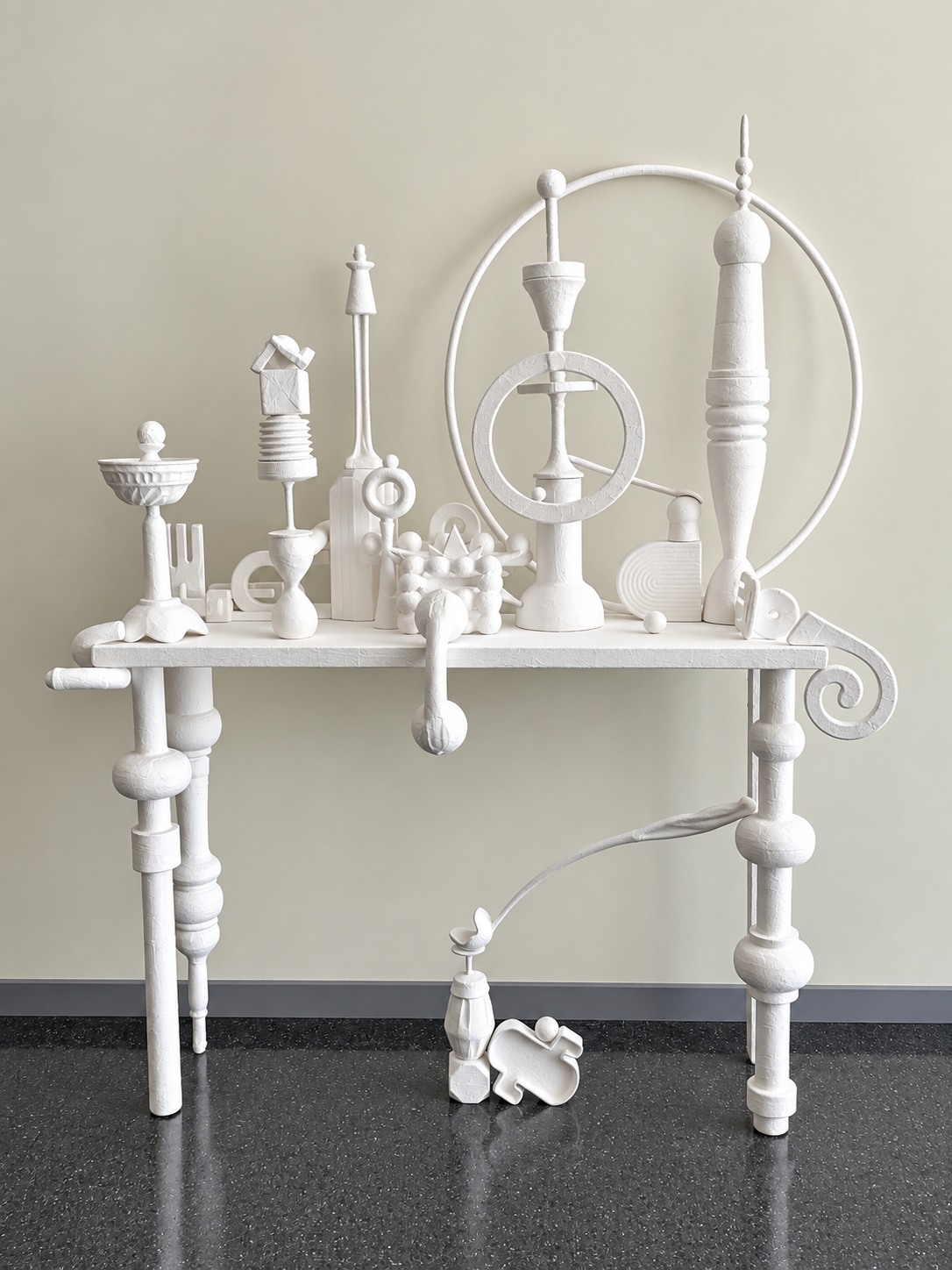
Sculptural assemblages begin with second-hand domestic objects collected from op-shops. Previously owned, used, displayed, and handled, the objects carry traces of lives and histories that remain unknown. Removed from the homes in which they once had a particular function and meaning, they are displaced from their original contexts. Wrapped in plaster and combined into new configurations, their familiar forms are partially preserved, obscured, and transformed. The assemblages explore how ordinary domestic objects can carry traces of identity and reflect the ways we construct and express ourselves through the things with which we surround ourselves.
The sculptural assemblage has no fixed configuration. Its individual elements can be rearranged and reconfigured, reflecting the shifting nature of memory and identity over time.